


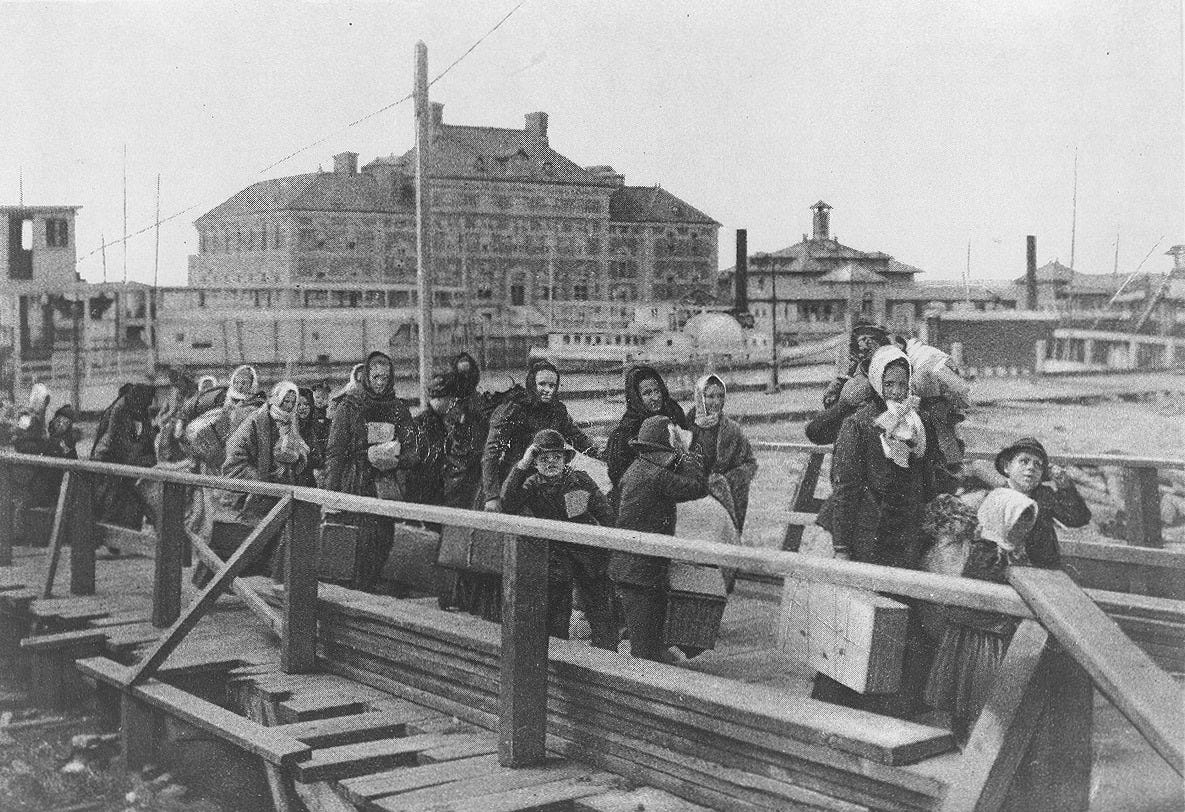
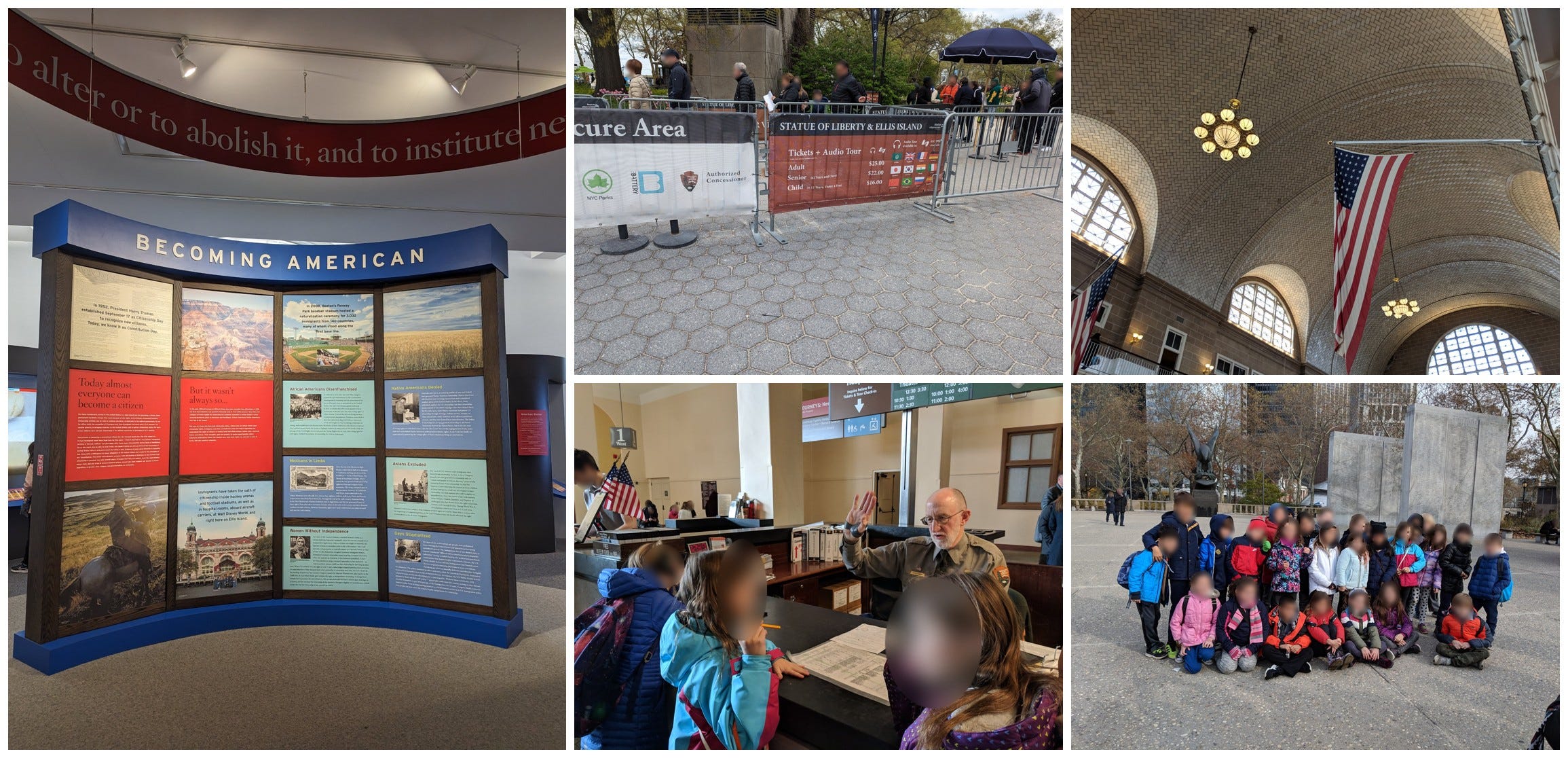
Before 2020, my daughters’ public elementary school in Manhattan had wonderful traditions that nobody thought twice about. The third graders went to Ellis Island for American history, and the fourth graders took the bus to Philadelphia to stand in Independence Hall. Every fall, Jewish parents came into the classrooms to teach the children about Rosh Hashanah and the other holidays.
These things were quotidian, and we took them for granted. The knowledge of them lived in us, parents, whether we had a younger child or an older one. Each class expected Ellis Island in third grade because the class ahead of it had gone, and the parents ahead of us had told us what was coming.
Then the pandemic closed the schools, and the chain broke. We talk a great deal about what the children of those years lost in reading and math. We talk far less about what they never received at all.
When the buildings reopened, safety mattered more than anything else. The children sat apart in masks, and they ate lunch facing one direction so they would not infect each other with a virus that posed very little danger to them.
They stripped away the Ellis Island trip. They stripped away the Philadelphia trip. Then they stripped away the holiday visits. Suddenly we could not come in for Rosh Hashanah, because the holidays were Jewish. The school called it separation of church and state, although for years before Covid nobody had seen a conflict.
Our school was not alone. In a 2023 survey, 40 percent of museum directors said school visits still had not recovered to pre-pandemic levels, and the researcher behind it said field trips went “off a cliff” even after schools reopened.
I was born in Odessa and came to Brooklyn in 1977, when I was six. What happened at our school felt familiar to me. Suddenly it was like the Soviet Union, where the school welcomed only the approved values that invoked compassion. God, faith and real tradition that the kids knew had no place in the room anymore.
To be fair, our school stayed fairly laid back about woke ideology. Many of our teachers were older, and they were not prepared to learn the new language it demanded, so change came slowly. The school never added rainbows or Pride programming. Mostly, we just lost things.
I imagine the school is different now. Many of those older teachers have retired, and the new teachers have come up through the education schools, which have become palaces of indoctrination.
This is how cultural subversion works inside a single school. The new parents never knew the good things, so they never asked for them. The old parents left because the good things left, and the school’s memory left with them. Nobody had to cancel anything. The school only had to pause long enough for one generation of families to move on.

I saw the same pattern when I wrote They Quietly Let the Best Children’s History Books Go Out of Print. Random House never banned the Landmark Books. It simply stopped printing them, and a generation of children grew up without them.
A Soviet defector warned us about this long ago. Yuri Bezmenov worked for the KGB before he defected to Canada in 1970. In a 1984 interview, he described a slow and open process he called ideological subversion, and he said it made up most of the KGB’s work, far more than spying. Its first stage, demoralization, takes 15 to 20 years, about the length of one generation’s schooling. At the end of it, Bezmenov warned, “exposure to true information does not matter anymore.”
Nobody needs a foreign agency to do this today. A school closure long enough to break the chain of memory will do the job.
Yesterday I walked through Central Park past the roller skate circle just north of Sheep Meadow. Skaters have gathered on that road since about 1978, and for decades the DJs played disco while the dancers on skates sang every word.
Yesterday the DJ played Middle Eastern music instead. That music is beautiful, and I love it. But suddenly the young crowd knew all the words.
It reminded me of the many NYC landmarks where I see organized protests, rallies, with previously unseen flags from far-flung terror organizations (Hamas, Hezbollah). Most people there have no idea what those symbols mean, yet young people have adopted them as their own.
We should have anticipated this moment, as a culture never stays empty for long. When nothing is left to preserve, something new moves in.
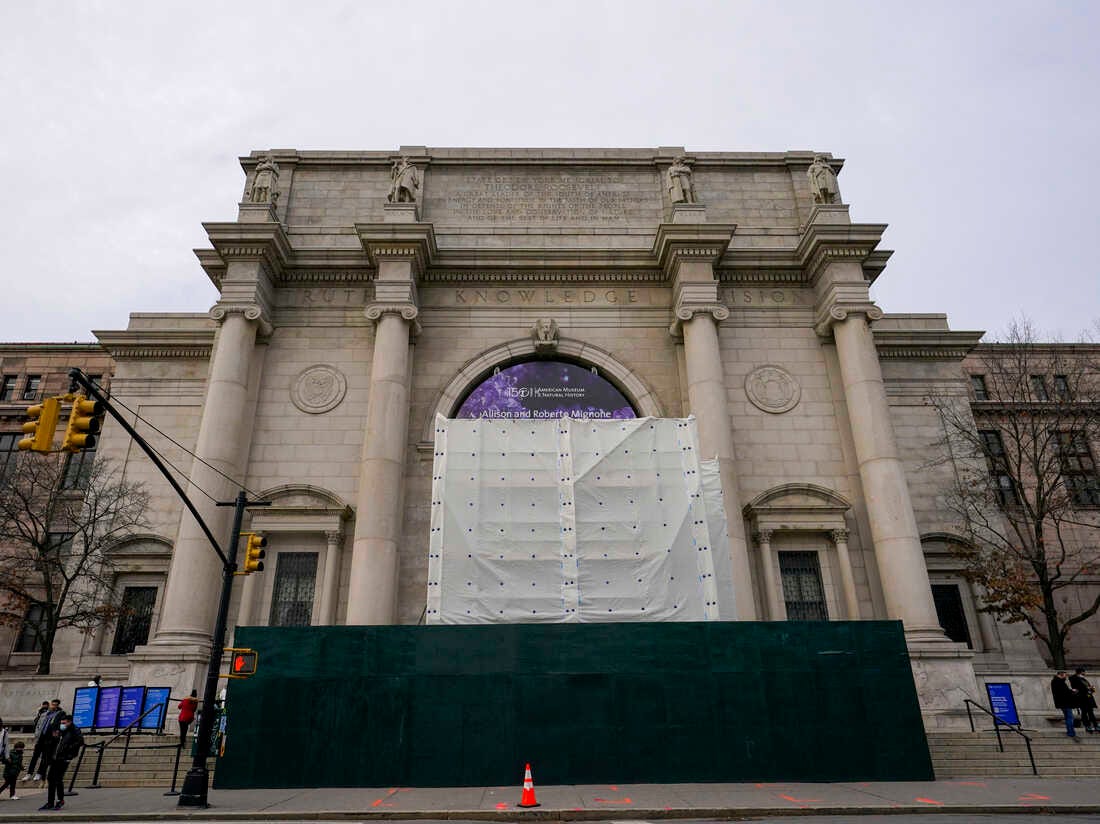
We have watched American symbols and monuments come down. In January 2022, the American Museum of Natural History removed its Theodore Roosevelt statue from the front steps on Central Park West, right across from the park where I walk.
Remember when San Francisco tried to rename its schools during Covid, even as they stood closed? In January 2021, the school board voted to rename 44 schools, including schools named for George Washington and Abraham Lincoln. The board rescinded the vote that April only after a lawsuit and a judge’s ruling. The names survived, but the children still learned that Washington and Lincoln were up for removal.

This subversion accelerated during Covid. I spent more than three years interviewing the people behind the school closures for my film, 15 DAYS: The Real Story of America’s Pandemic School Closures. The decisions they made are still shaping these children, and now we will have to deal with the consequences.

Last week marked three years since October 7. My rabbi tells me that his high school students do not know about 9/11 or 10/7, not really. Our schools are not teaching those things either.
A 2016 NPR report found that only about 20 states covered 9/11 in any depth in high school social studies.
A 2018 survey of more than 1,000 teachers found that about 130 history and social studies teachers had never taught 9/11 at all.
Surely it is worse now, in 2026.
The polls show what fills that gap. In a December 2023 Harvard-Harris poll, 60 percent of Americans aged 18 to 24 said Palestinian grievances could justify the October 7 massacre, and 27 percent said it was not a terrorist attack.
This will be very difficult to undo. We have, before us, a blank slate generation, and someone else is writing on it.
How can we remind young people of things they never knew in the first place?
The work falls to us, parents.
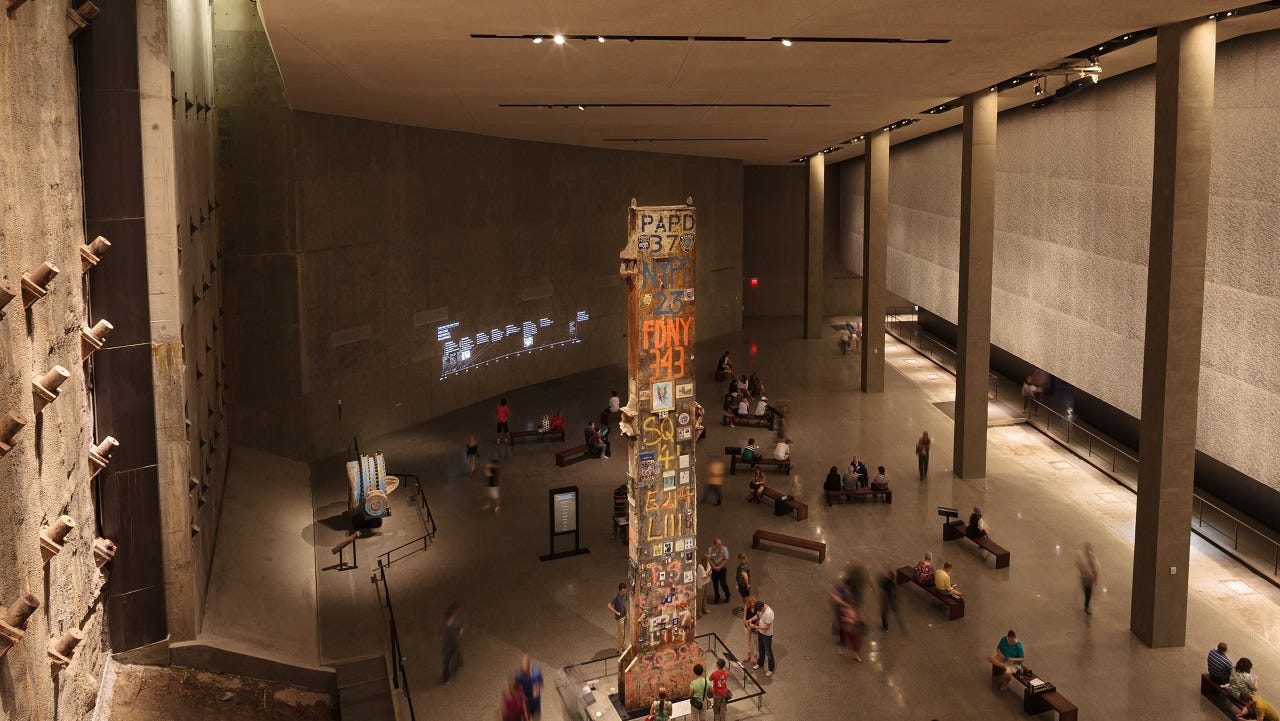
If you can, take your children to Ellis Island yourself. Walk them through the 9/11 Memorial & Museum. Tell them at your own table what happened on September 11 and October 7.
Then go back to your school and ask, by name, for the traditions it quietly dropped.
If we do not do everything we can to protect and conserve our history, it will be erased.
What did your school quietly drop after Covid? Tell me in the comments. I want to build a list, the way we built our list of out-of-print history books.
Restore Childhood is a 501(c)(3) nonprofit dedicated to protecting children’s education, health, and parental rights. Watch our film 15 DAYS, share this piece, and consider supporting our work at restorechildhood.com/donate.
That is why as a semi-retired person I volunteer as a docent at a historic site which still gets 4th grade field trips to learn about State history and have become much more active in a few national, multi-state and local orgs deep into public education of USA history. If we all just become active in one of those groups… it’s a step forward or at least holding the line.
When teachers don't know history, students have no hope.
Can we acknowledge the irony of Bezmenov's interview occuring in 1984?