


America just turned 250, and while most of the country moved on to fireworks recaps and heat wave warnings, the fight over who controls decisions about our children is still in play.
Federal judges are shielding hospitals that performed experimental procedures on children.
The Department of Justice has spent over a year investigating hospitals that performed gender surgeries and administered cross-sex hormones and puberty blockers to minors. The HHS peer-reviewed report published in November 2025, co-authored by our own contributor Dr. Kristopher Kaliebe, confirmed what the Cass Review in the U.K. and multiple European health authorities found years earlier: the evidence does not support these interventions in children, and the risks are serious and irreversible.
The DOJ is right to investigate.
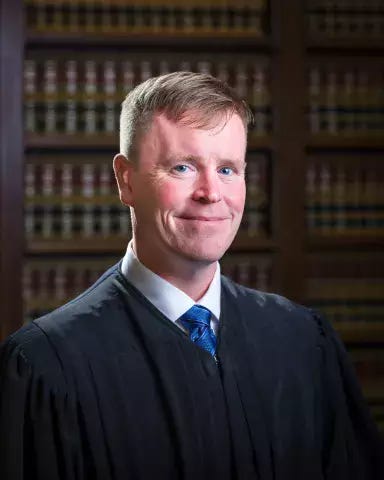
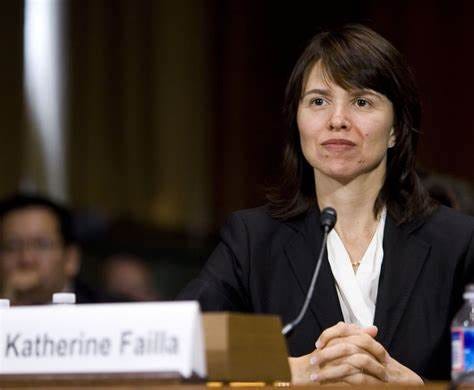
On July 3, U.S. District Judge P. Casey Pitts blocked the DOJ from obtaining records on minors who received gender interventions at Lucile Packard Children’s Hospital at Stanford. Nine days earlier, on June 24, U.S. District Judge Katherine Failla blocked a similar grand jury subpoena targeting NYU Langone. Mount Sinai received one too. According to researchers at Georgetown Law’s O’Neill Institute, at least eight federal district courts have now blocked or limited the DOJ’s civil subpoenas and the progressive NGOs are gleeful, just look at this report from NYCLU.
These judges are treating the DOJ’s investigation as overreach, but they have it backwards. When hospitals perform irreversible procedures on children who cannot consent, and when those hospitals fight to keep parents and federal investigators from seeing the records, that should raise every alarm we have.
Two hospitals knew better than to fight. Cleveland Clinic paid $308,000 over false billing tied to minors’ gender interventions and committed $2 million to build restorative care for detransitioners.
Texas Children’s Hospital will pay $10 million and open its own detransitioner clinic. Two major hospital systems are now funding care for young people harmed by the very treatments those institutions promoted. If that is not an admission of guilt, I don’t know what is.
The DOJ should keep going. Every one of these records belongs to a child whose parents deserve answers.
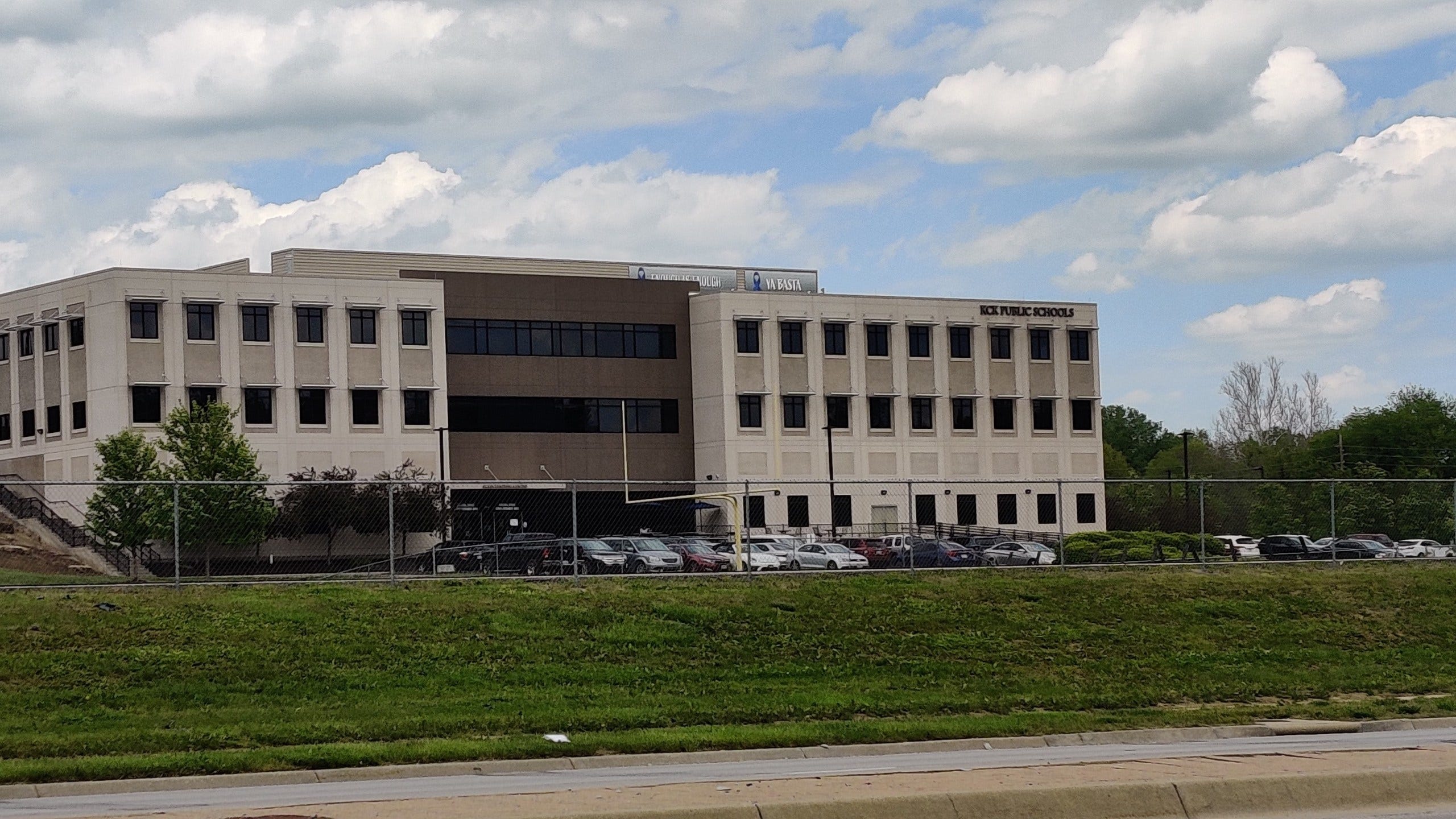
DOJ and Department of Education joined forces against a Kansas school district hiding gender transitions from parents.
On June 30, the Department of Education and the Department of Justice announced a joint enforcement action against Kansas City, Kansas Public Schools. Federal investigators found that the district maintained a policy directing school personnel not to disclose information that could reveal a student’s gender status to parents, even when parents specifically requested records. The district refused a voluntary resolution agreement, and the feds are now pursuing judicial proceedings and potential loss of federal funding.
The Department also found the district in violation of Title IX. Four Kansas school districts total, including Olathe, Shawnee Mission, and Topeka, received Letters of Impending Enforcement Action in June for failing to comply with Title IX.
Schools do not get to keep secrets from parents about their own children.
A district that builds a policy around concealing a child’s identity from the people legally responsible for that child has lost the plot.
The federal government is right to come down on this, and every school district in the country running a similar policy should take note.

The Amish religious exemption case is headed to the Supreme Court.
On June 30, the Second Circuit ruled against Amish families in Miller v. McDonald, upholding New York’s ban on religious exemptions from the state’s school vaccination requirements. The Supreme Court had sent the case back to the Second Circuit in December 2025 with instructions to reconsider it in light of Mahmoud v. Taylor, the landmark parental rights ruling from last year. The Second Circuit said the Mahmoud standard did not change the result. Legal experts now expect the plaintiffs to petition the Supreme Court directly. Georgetown’s Lawrence Gostin told The Washington Post he expects the court to reverse the Second Circuit’s decision.
A ruling for the Amish plaintiffs could require religious vaccine exemptions nationwide.
New York is one of only five states that do not recognize religious vaccine exemptions. This case is about whether the state can override a parent’s sincere religious conviction to control what goes into a child’s body.
That is a parental rights question before it is a public health question.
The House passed a children’s online safety bill. Parents should read the fine print.
On June 29, the House passed the Kids Internet and Digital Safety Act 267-117. The bill bundles the Kids Online Safety Act (KOSA), COPPA 2.0, and portions of 12 other children’s online safety bills into a single package. Republican Brett Guthrie and Democrat Frank Pallone co-authored it. In the Senate, Republican Marsha Blackburn and Democrat Richard Blumenthal co-sponsor the companion version. This is bipartisan legislation with broad support from both parties.
The bill would expand federal privacy protections to cover teenagers through age 17, ban targeted advertising to minors, require new safeguards on AI chatbots interacting with children, and impose data broker registration requirements with the FTC. It would also block private messaging for children under 13 and restrict disappearing messages for teens under 17.
The parental rights question is who gets to decide what is harmful for your child online. Under this bill, that authority shifts to the FTC and to the platforms themselves, not to parents. The ACLU opposes the bill, warning it would pressure platforms into censoring lawful content to avoid liability, including health information, political speech, and resources that parents may want their children to access. Free speech advocates on both the left and the right have raised the same concern. The bill gives families more parental control settings, but the underlying framework puts government, not parents, in the driver’s seat on what children can see and who they can talk to.
The Senate fight comes next. Senators Blumenthal and Blackburn have declared the House version dead on arrival because it stripped out the duty of care provision, the part that would have required platforms to take reasonable steps to prevent harms like eating disorders, suicide, and sexual exploitation. Senator Blackburn is negotiating a separate deal with the White House that would tie the Senate’s stronger version of KOSA to federal preemption of state AI laws. Whether the final bill protects children or just gives the government new authority over what families can do online depends on what happens in the Senate this summer.
Two more states banned phones in schools. We disagree.
On July 1, Connecticut’s phone-free schools act took effect. Indiana’s SEA 78 went live the same day, enacting a near-total cellphone ban in K-12 buildings. We understand the impulse.
Phones are a distraction.
But a child should be able to reach a parent during the school day, and a parent should be able to reach a child. School cellphone bans sever that line of communication, and after everything we learned during the pandemic about what happens when institutions cut parents out of their children’s lives, we are not willing to hand schools another tool to do it.

Next week: 15 DAYS screens in Dallas at the Teacher Freedom Summit.
I’ll be in Dallas July 14 to 16 for the Teacher Freedom Summit, where 400+ teachers, parents, and education advocates will gather for three days at the Sheraton Dallas Hotel to talk about what it takes to take back American classrooms from union politics and activist agendas.
We will be screening 15 DAYS, our documentary on the real story of America’s pandemic school closures. After the screening, Stephanie Edmonds and I will do a fireside chat.
If you are going to be in Dallas next week, send me a DM or come find me. I would love to meet you in person.
Natalya
If this kind of reporting matters to you, consider upgrading to a paid subscription. Your support makes it possible for us to keep doing this work.
Great info. But I do 100% support cellphone bans k-12. The effects have been very positive-more classroom engagement, better mental health and social interactions between students, and with teachers. Less behavioral issues. An overall win for teachers, students and admin. Students can easily use phone in front office, parents can easily call front office. Not an issue!