


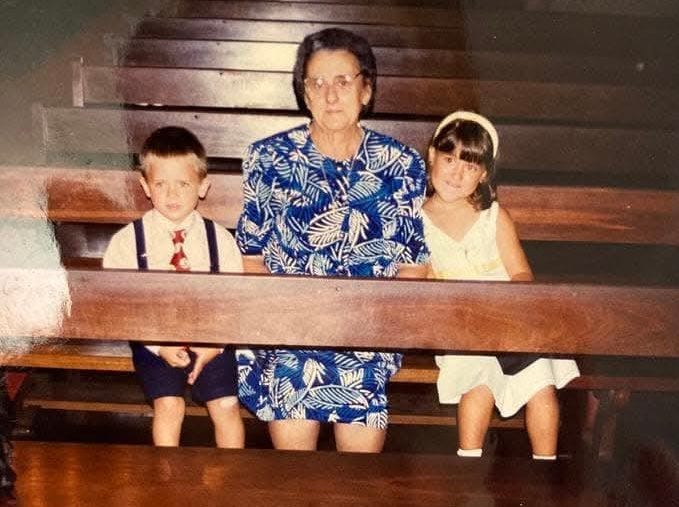
For years now, I’ve felt that a key driver of our youth’s dismay and decay is the absence of intergenerational relationships. Our kids are numerators in search of denominators- I even touched on this in this piece:

Saying this felt like screaming into the void, because there were no echoes of my call to rejoin the generations, to give renewed purpose and life to the elderly and a rooting in time, history and context to our youth. It seemed to me, and still does, that without rejoining the youth to their elders, they will be forever floundering, lost.
So you can imagine how pleased I was to read this X post from writer Elisabeth Stone the other day, complete with a photo of her with her own great grandmother.


I loved it so much, I asked if she would expand on it for Restore Childhood and she obliged.
Would love to get your reactions to this piece.
- Natalya
We used to have grandmas, but now we have Youtube.
The other day my daughter ripped her shirt, and the day before a button fell out of my husband’s nice shirt. The other time I wanted to make someone a nice blanket, and a few years ago I decided I would love to crochet. My grandma knows how to do all of these things, but, unfortunately, I do not. I go to Youtube. Grandma goes to the memories she has growing up around family, sisters, her mother and aunts, an entire village of people teaching her how to do these things.
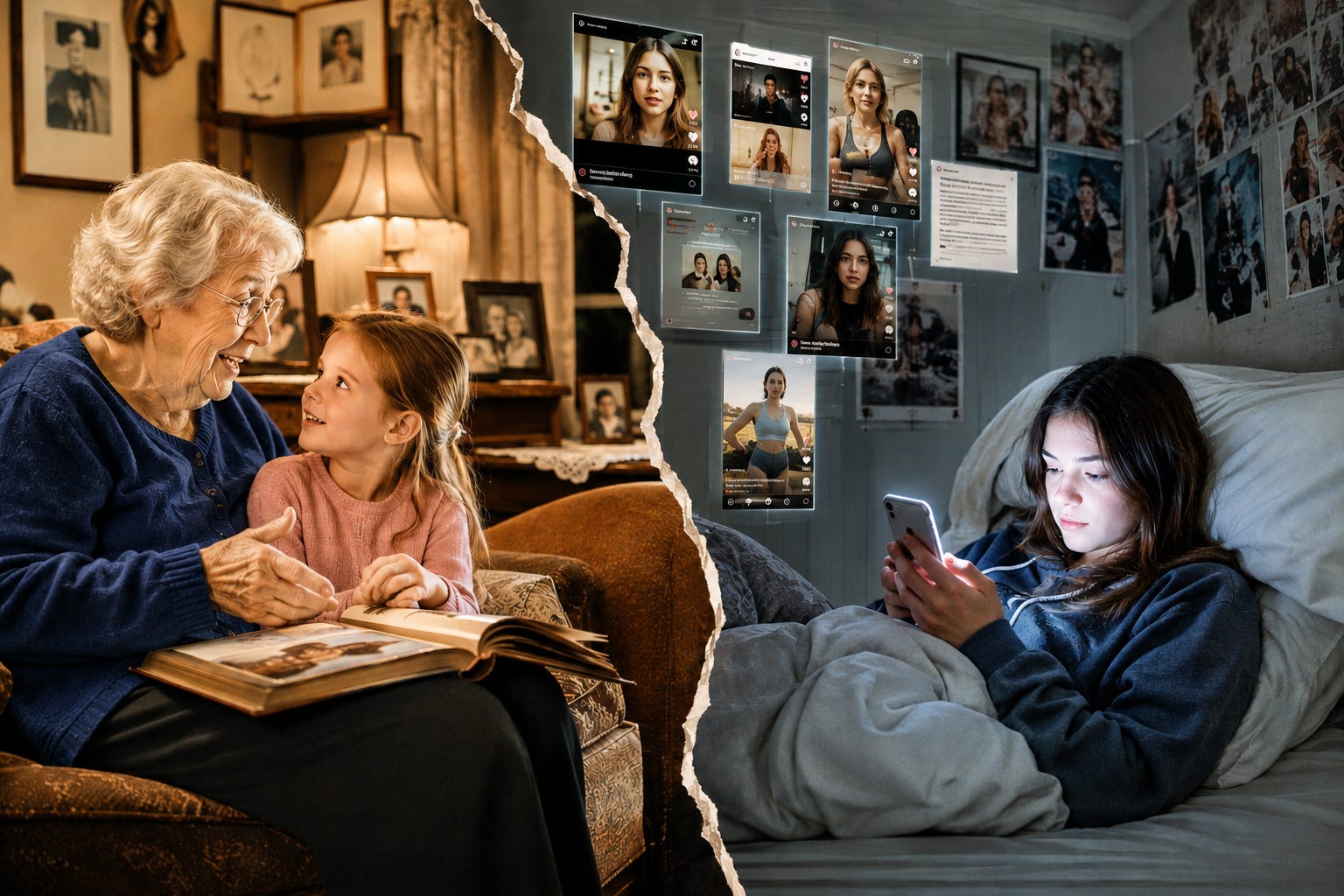
My grandmother is not to blame for this.
She had a desire, and a heart to pass this knowledge on. The fault is mine. Mostly because of the home I grew up in, and with the type of mother I had, well, I was entirely convinced that these things were stupid. I was certain that it was a waste of my time to ever learn these traditions, because I would never become a homemaker, I was a modern woman, I was going to make money, be on my own and pay someone else to do it all.
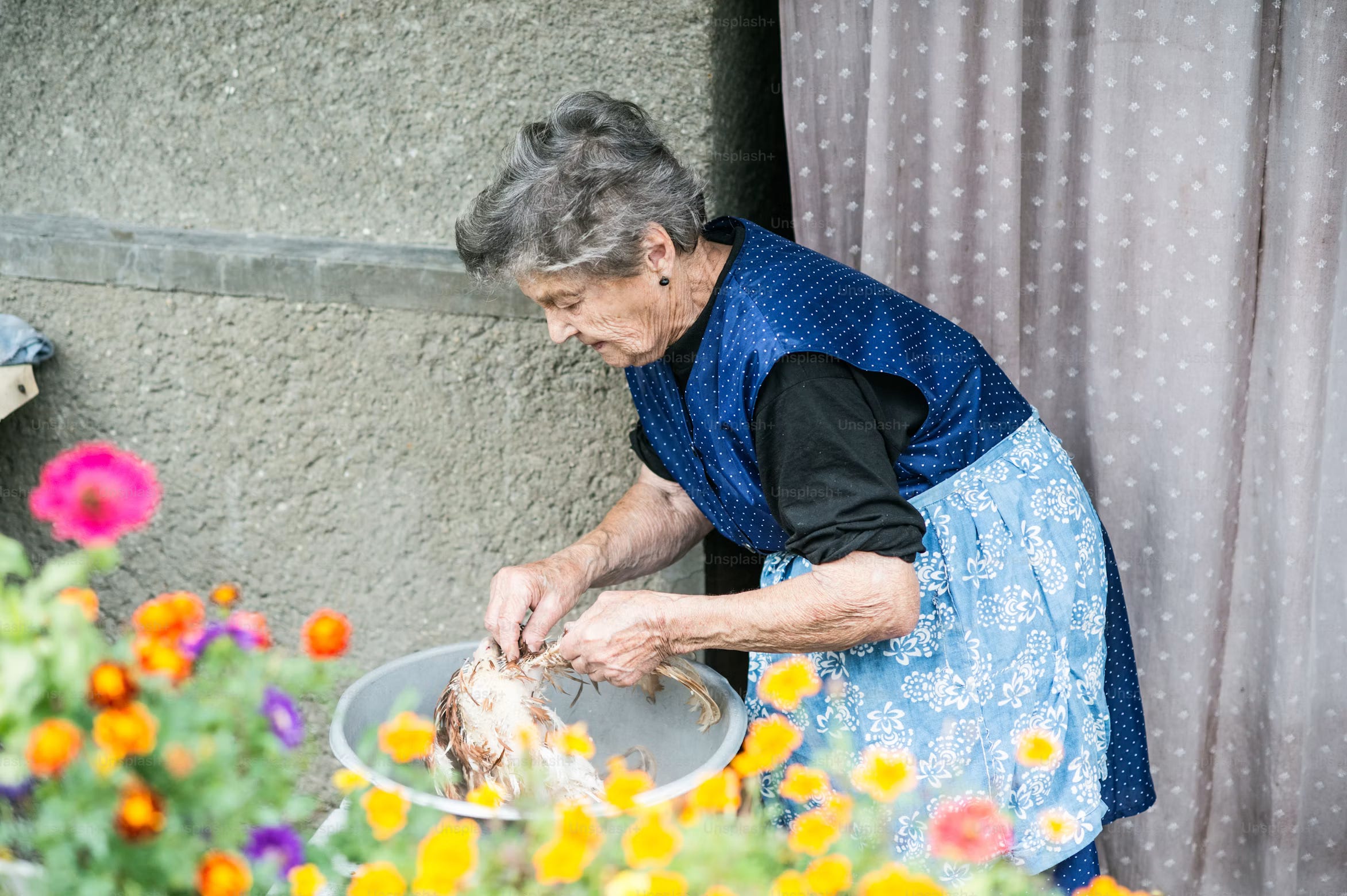
Either that or I’d Youtube it like any decent modern woman would.
In my mind this intergenerational knowledge was like old relics, things of the past. I, on the other hand, was a modern woman. I was progressive, and much the same way I did not want my grandmother’s China, I also did not want her endless source of wisdom and know-how.
What a shame.
There is a huge gap now. The older generation of my grandparents still have this village-like desire in their hearts. I mostly grew up in my grandmother’s house, or at least, that is where I spent most of my time. My grandmother lived on the same street as her mother, my great grandmother. A little down the street lived my great-aunt, my grandmother’s sister, and further down on the other street lived my other great-aunt. Not many streets over lived my great-uncle. My cousins and my uncle were not far away.
I had the immense privilege of growing around a true family village. The tables were always big so that everyone could sit, and eat together. My grandmother had two kitchens to cook all this food, there was always warm bread and fresh fish, and there were always people who loved you around. If someone did not know how to do something, well, not far away there was someone who knew.
Life was done together, lived together, and life had joy together.
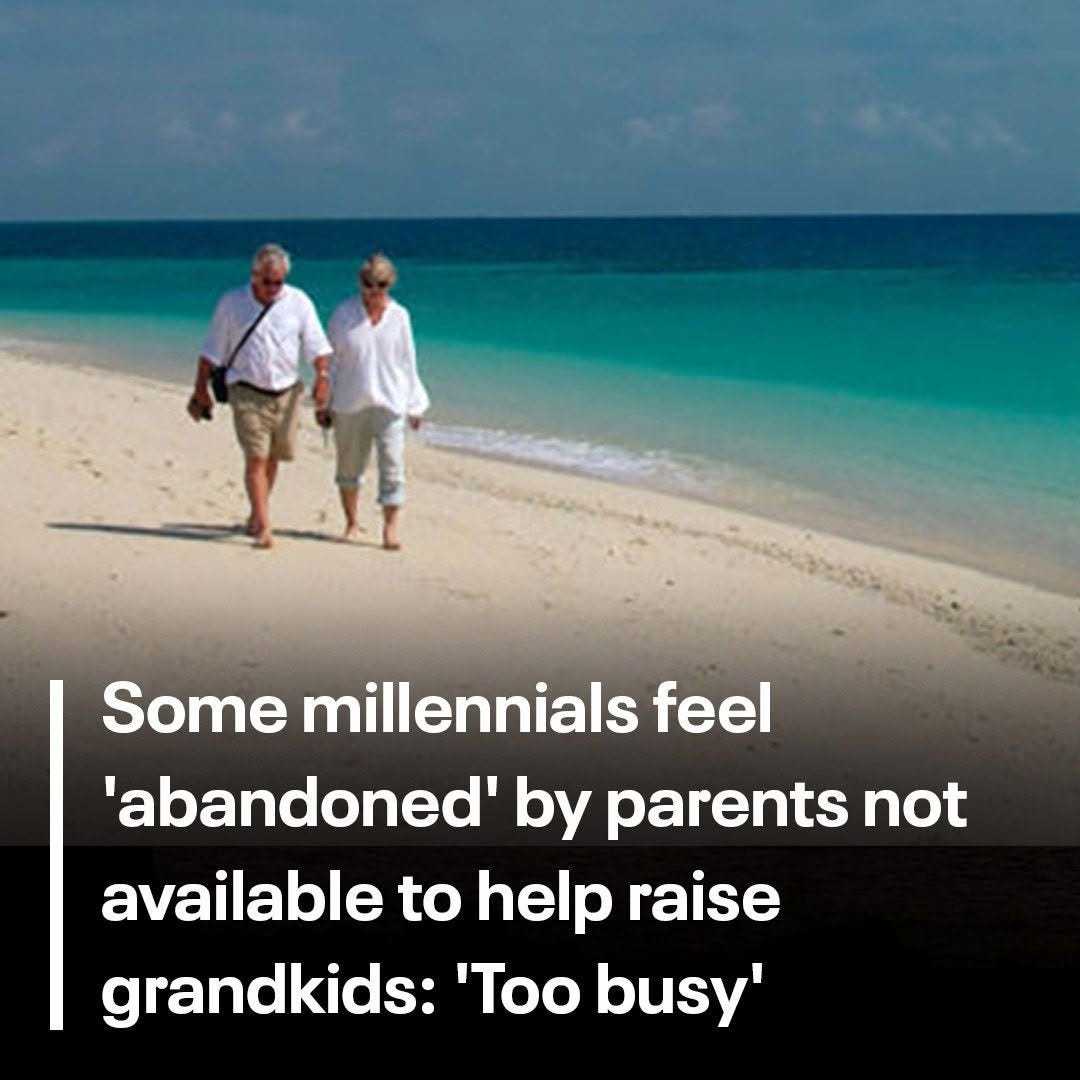
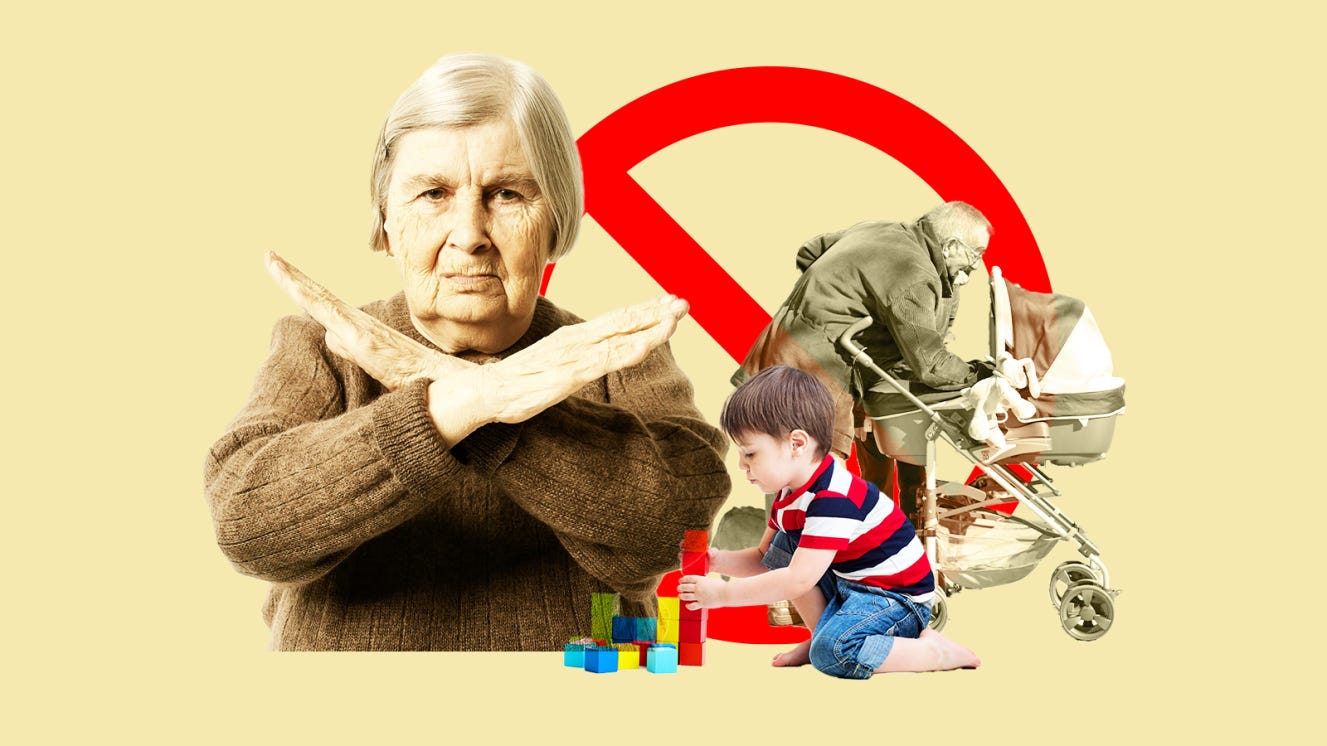
My mother and father’s generation, well I find that this one has become very different, and as many of them age and become grandparents, many do not want to build a village. They are opting out, and many grandparents are, indeed, clocking out.
Somewhere, somehow we have adopted this belief that our obligations and duties to our families have an expiration date. How many times are we told that as soon as your son or daughter turns eighteen they are out of the house. That is how my parents felt. Once you become an adult, well, their job and work is finished. They are finally off the hook, able to enjoy a life of freedom.
So now we have an entire generation of people who had a village, tremendous support, loving parents who helped raise their children, all saying, no thanks, I will pass. They enjoyed the fruits of a labor they are unwilling to continue. I have a word for this— it’s called being a brat.
This is not how villages work.
Villages exist because people are willing to be inconvenienced and honestly love exists for the exact same reason too. If your desire is to never be inconvenienced, then you’ll never have a meaningful friendship, a meaningful marriage, or any meaningful relationship with anyone.
To love someone is to inconvenience them. To be loved is to be inconvenienced.
The village used to function as a cycle, much like a retirement system: when you are young you pay in so that you might have funds to take out when older. Grandma watched the baby to help mom, twenty years later mom brings grandma groceries because grandma cannot drive, an aunt teaches you how to make bread, an uncle teaches your brother how to fix his bike, a cousin watches everyone’s little so that you might help cook.
Someone always knew how to fix a shirt, cook and clean the fish, help the baby stop crying, fix the sink and the dishwasher, cut hair, or to simply give you comfort of shared experiences and that no, you are not crazy for feeling overwhelmed because little children are indeed a ton of work.
This was the village, not a service we could provide mothers— it was an entire way of understanding what it meant to be family.
We have spent decades now teaching people very differently. The religion many of us now follow is one I like to call — the religion of autonomy — we follow the self, we worship the self and we venerate the self. Life is about our own personal wants, and needs. The purpose of life under this religion is to find happiness, to find ourselves, all of it about essentially and solely about the — me.
We often talk about how villages have altogether disappeared and it’s been partially our own doing, but this means we can also be part of what changes the tide.
Villages do not simply appear because we want them to, villages are built over generations of people who accept that not only do they belong to one another, they owe one another something. Being part of village is going to cause inconveniences, it is going to require duty, it requires you doing things you do not particularly feel like just because someone who you love needs you. This is the cost of a village, but is also the cost of meaning, the cost of love, the cost of having a life worth something outside of ourselves.
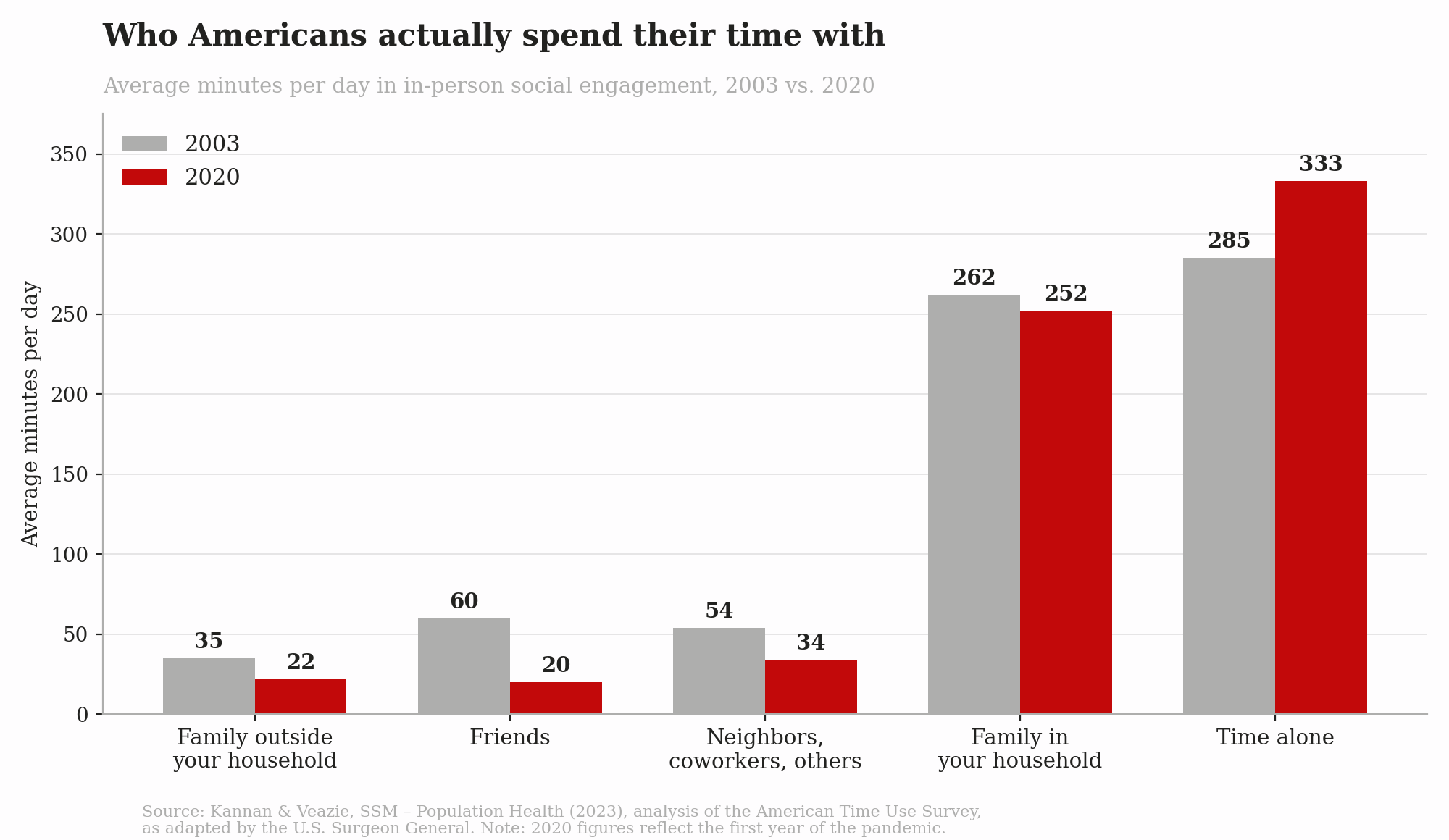
We have spent decades now teaching people very differently. The religion many of us now follow is one I like to call — the religion of autonomy — we follow the self, we worship the self and we venerate the self. Life is about our own personal wants, and needs. The purpose of life under this religion is to find happiness, to find ourselves, all of it about essentially and solely about the — me.
If you were anything like me then when you were young you were taught that young people are to leave.
Go away for college, move across the country— maybe even across the continent to find work, never let your family hold you back. The goal was to become independent as soon as possible, need nobody, owe nobody. The purpose was to find ourselves, to live for the self. But reality comes for all of us, and truth has a way of being very rude. One day when I became a mother, alone at home, I did not very much care about my own personal autonomy, my own religion of autonomy, instead I soon found out that life alone was terrible idea.
I needed others, I was made for others, not just myself.
This is where I find that grandparents matter, they matter a lot, they matter in a way that most of us have completely forgotten. Grandparents are the bridge between one generation and the next, they are the ones who remember all of those who came before us, they know the stories, how to pray, the tragedies, the love stories, they know the names of those who are long dead, the traditions that have existed long before you or I. They carry an entire world inside them, and if they do their job right, well little pieces of their world can be handed on down to us and carried far longer, to other people they will never meet.
Grandparents give children something nobody else can. They give them closeness to another time.
My grandmother did not learn how to sew, how to cook, how to care for a baby, a home, how to crochet, how to do anything because she sat down and opened an app one afternoon.
Knowledge was not this thing we had to sit down to learn about as if we were in school, it was just all around us. Like ripe fruit waiting to be picked off the tree of knowledge, available to all of those around. When we went to grandma’s house, we were not just there to be watched after, we were there learning, realizing that even our own parents existed long before us, we were learning that there will never be food out there quite like what grandma makes, we were learning that life did not just begin to exist the moment we were born. And all of this is so important, exactly because the world in which we now raise our children, is a world terribly obsessed with whatever is new.
Grandparents are the bridge between one generation and the next, they are the ones who remember all of those who came before us, they know the stories, how to pray, the tragedies, the love stories, they know the names of those who are long dead, the traditions that have existed long before you or I. They carry an entire world inside them, and if they do their job right, well little pieces of their world can be handed on down to us and carried far longer, to other people they will never meet.
We love new technology, new values, new religious beliefs, new ways to identify ourselves, new ways of doing everything on earth. In our new world everything that is old, everything that is old-fashioned, or traditional is treated with much suspicion. This is why the gap to the past that only grandparents are able to bridge is so important. You cannot tell children that tradition, that family matters when the people who actually carry all of that tradition are not willing to be around.
It is sad that we are here trying to recreate traditions our own grandparents right there who live in another state still remember, we are googling recipes grandma has made thousands of times, we are watching strangers teach us homemaking while the women who could still teach us are all alive and well, we are buying books telling us about how families used to live all while in our families there are people who still remember it all.
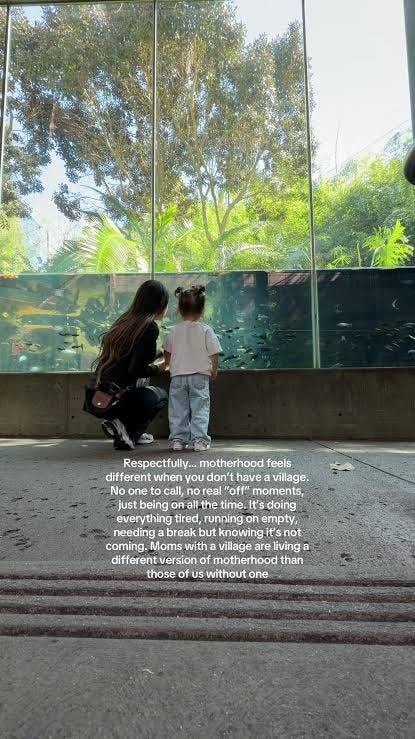
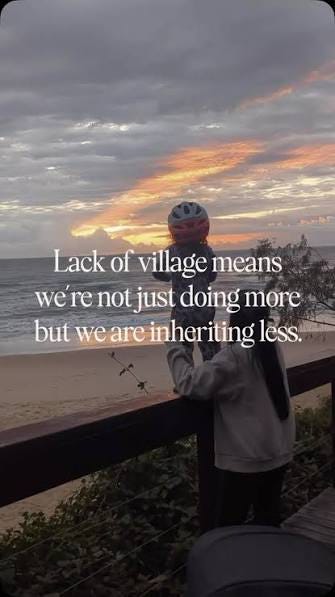
This is why any grandparent who says “I already raised my children” enrages me. Yes, in fact you did, nobody is asking you to raise them again, nobody is saying grandma should become the primary parent while her adult children go out to party and live the child-free lifestyle, but my goodness, have we no ability to find something in between all of this?
Surely there is some in between raising your grandchildren yourself and acting as if they are just some strangers who happen to share some of your DNA. Surely there is still such a thing as being a grandma and not someone who just simply has grandchildren.
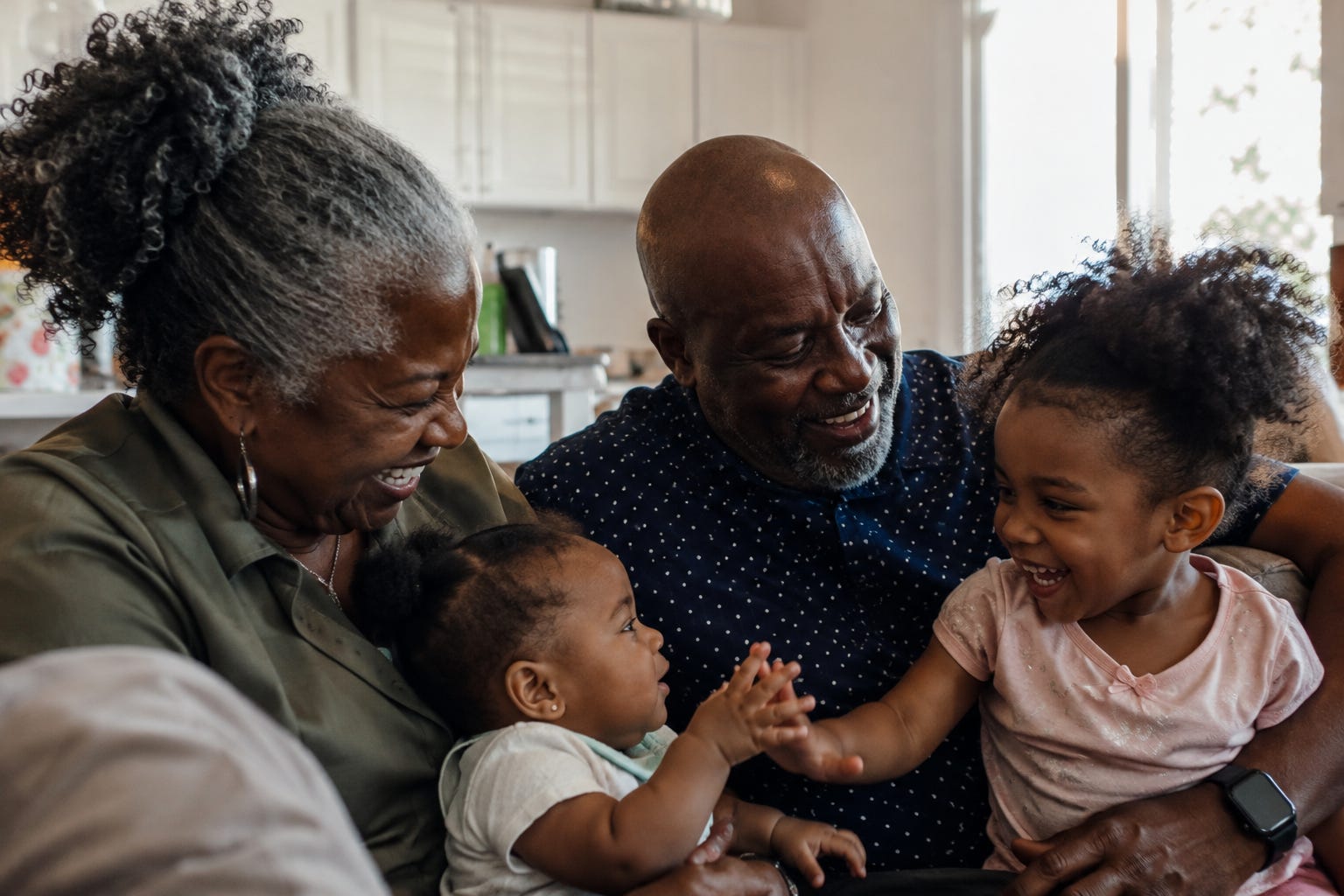
And mind you this is not just about what grandparents can give to grandchildren, I think we forget in these conversations just how much grandchildren give back. They are a wonderful source of love, and one you can outpour your love into as well, your memories, your stories, your wisdom.
Grandchildren give us reason to keep telling these same old stories, to keep making the same old recipes you otherwise would not have an excuse to do, to keep teaching the things you know so well. Grandchildren give grandparents a place in a future they will likely never live to see.
Children and grandchildren are how we live forever— in our traditions, our beliefs, our history, our blood. I come from a long, very long line of Catholics. This is not just some random occurrence, it because all the people before me believed and held onto their faith. My great-grandmother prayed many silent rosaries for my sake, as did my grandmother, and even despite me spending years living as an atheist who hated God, I made my way back, and I owe it to them, I owe it to all the people who came before me who made a plea to God for my sake.
It is not just the recipes, the pictures, or the memories that get passed down, I truly believe it is also the grace of God, the love for God, the caring about truth, the care for all that is good, for mercy, and for tradition. All of it can be a wonderful gift you leave to your grandchildren, and the many more that will come after.
 Tiktok failed to load.
Enable 3rd party cookies or use another browser
This is why all of this makes me sad. Sad that we are now convinced that being needed is a burden, when turns out, being needed is actually one of the greatest privileges of being alive. Think about it, how is it a burden to be the one person needed by someone you deeply love? How is it anything other than a blessing that someone calls you, out of everyone else in the entire world, because they need you. How is it anything other than wonderful to have a child calling your name and running to you, running into your house, into your arms? How is it anything but a wonderful gift not only to be needed but also to be wanted?
The unfortunate truth is that we have spent years convincing people that needing another is some sort of moral failure, that the ultimate goal in life is to become independent, never to need another, never to bother another person with our needs. So here we all are, all of us free, independent people, all of us having to use the internet for information, for love, for wisdom, all the things that we used to have just down the street, in the warm home that always smelled like bread, filled with voices of all the people you knew, and those that knew you.
We all very much still need one another.
So yes it is true that in many ways and in many families, lots of grandmas have clocked out, and Youtube has had to fill the void. It is true that many grandparents are not willing to build the village together, but it does not have to be this way. You and me, all of us can decide right now that family is not something we can ever age out of, it is not something we can ever stop being a part of. You and me, we can decide that being needed is not some burden, we can decide that needing others is not something awful either.
So go and call your grandmother, ask your mom for help, become the village you wish you had. Let your children get to know their family history, family members, forgive their flaws, forgive their annoying habits or the politics you might disagree with. Let your children know the people from where they come from, and allow yourself the same privilege. Let your children see you needing others, being kind and loving to those that need you.
Someday soon it will be your turn to be the old grandparents sitting at the table, watching all the people we love in the world eat the food we made them, and for goodness sake, let us not clock out.
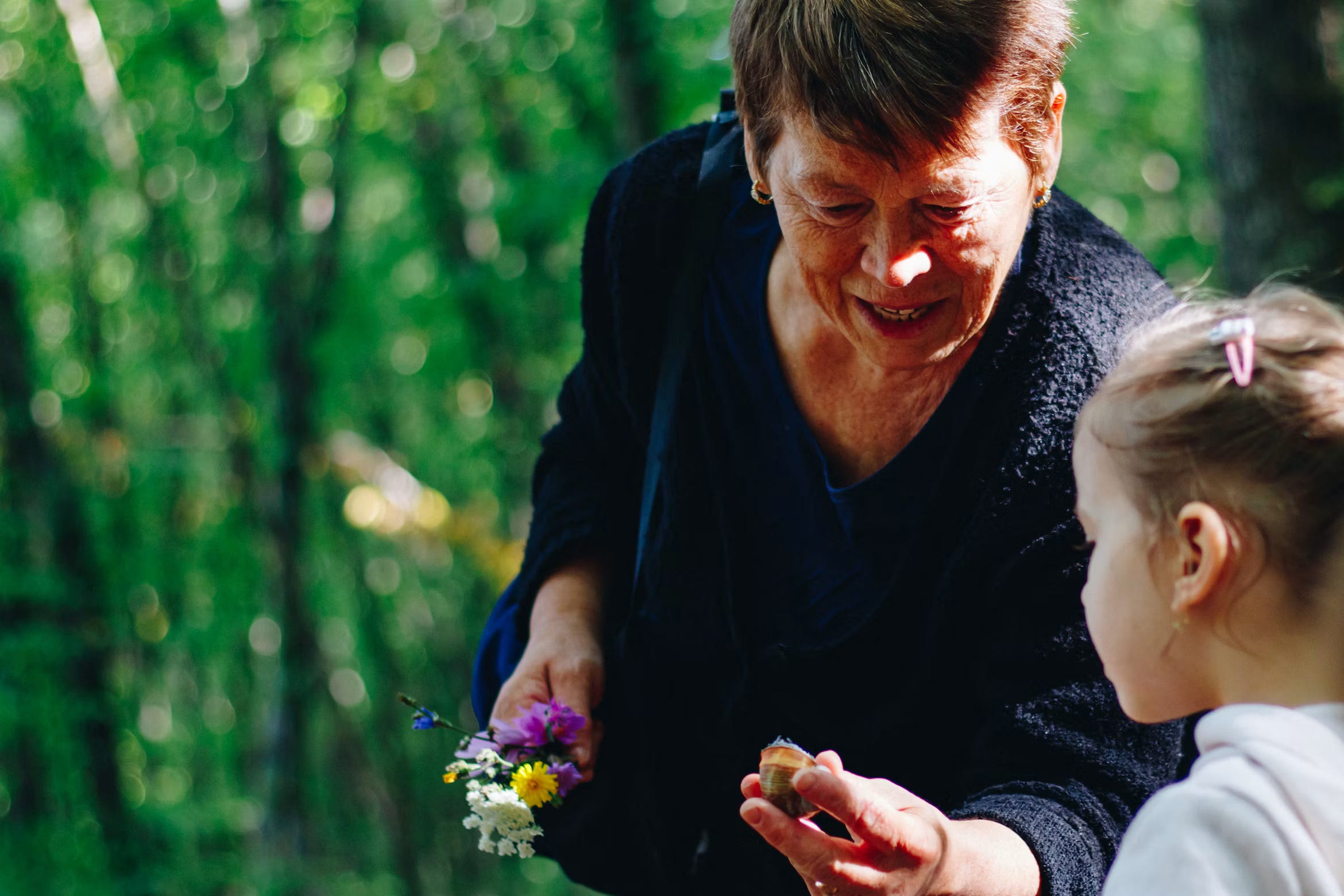
“Tradition means giving votes to the most obscure of all classes, our ancestors. It is the democracy of the dead.” — G. K. Chesterton

I remember my grandparents fondly. I think they teach us wisdom often without even trying. I used to love listening to their stories and even now I love sitting with the elderly, not just because I cared for my Dad until recently, but also because I genuinely love stepping into their innocent timeless world. I had a lovely bubble with my Dad for the last few years. I stepped into his world. His ways would take me back in time and in turn, bring back memories of my Grannie’s cooking and all the fun we had when we went to visit. Life seemed simpler then. Grannie showed me the basics of cooking. Grandad taught me the basics of gardening and woodwork. I wish I had learnt more skills from them. They were gifted people who made a lot of things themselves. That’s what people did back then.
I have waffled on for long enough but I love this post. I would love to have half the skills my grandparents had. It would be great to see kids off screens and digging in the garden or learning how to plane wood in their grandfather’s workshop instead of wasting precious time doom scrolling.
Deep sigh! Here’s to reconnecting generations.
The most selfish generation ever: a whole population echoing the Sun King: “apres moi, le deluge.”