


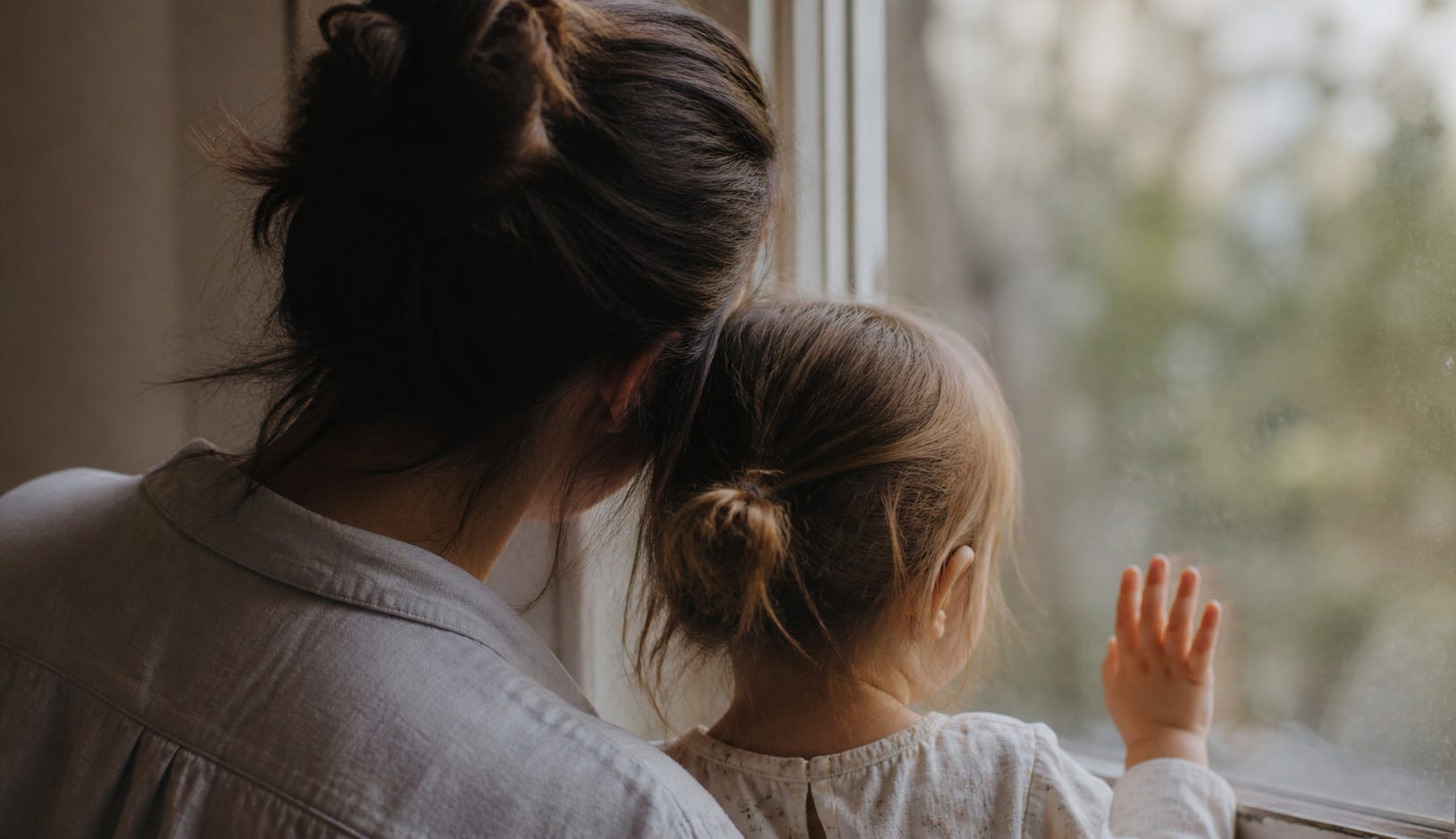
When I was a little girl, my parents told me I would grow up and have children of my own. They told me this regularly. From the time I have memory, I knew that having a family was the assumption underneath everything else they pictured for me.
I resented it for years.
I was a progressive New York City girl. I had been told that women could do anything anytime, that the workforce was ours to conquer, that relationships only worked when the timing was just right, that motherhood could be delayed indefinitely, and that there was no such thing as a pregnancy too late. I had absorbed all of it. My parents, immigrants from the Soviet Union, had not. They were behind, I thought. They were heavy. They were putting a weight on me that none of my friends’ parents seemed to put on their daughters.
We fought about it. I was bitter. Part of the bitterness, if I am honest, was fear. I was already worried that finding the right person to have a family with was going to be hard, and harder still if I waited. I did not meet my husband until I was well into my late thirties. The wait was real and the wait was painful.
The dream of being a mother stayed with me through all of it.
The dream of being a mother stayed with me through all of it. In the hardest years I joined the conversations of women considering becoming single mothers by choice, because I could not picture growing older and leaving no one behind me.
I remember a friend, 15 or 20 years ago now, who had married a man significantly older than her. She was in her early forties and had not had children. I sat with her and tried to help her see that, while her window was closing, it had not yet closed, and that the cost of trying was less than the cost of looking back. I had no children of my own then. I just knew, because my parents had never let me forget, no matter how much it had hurt me to hear it.
They were overbearing and they were right.
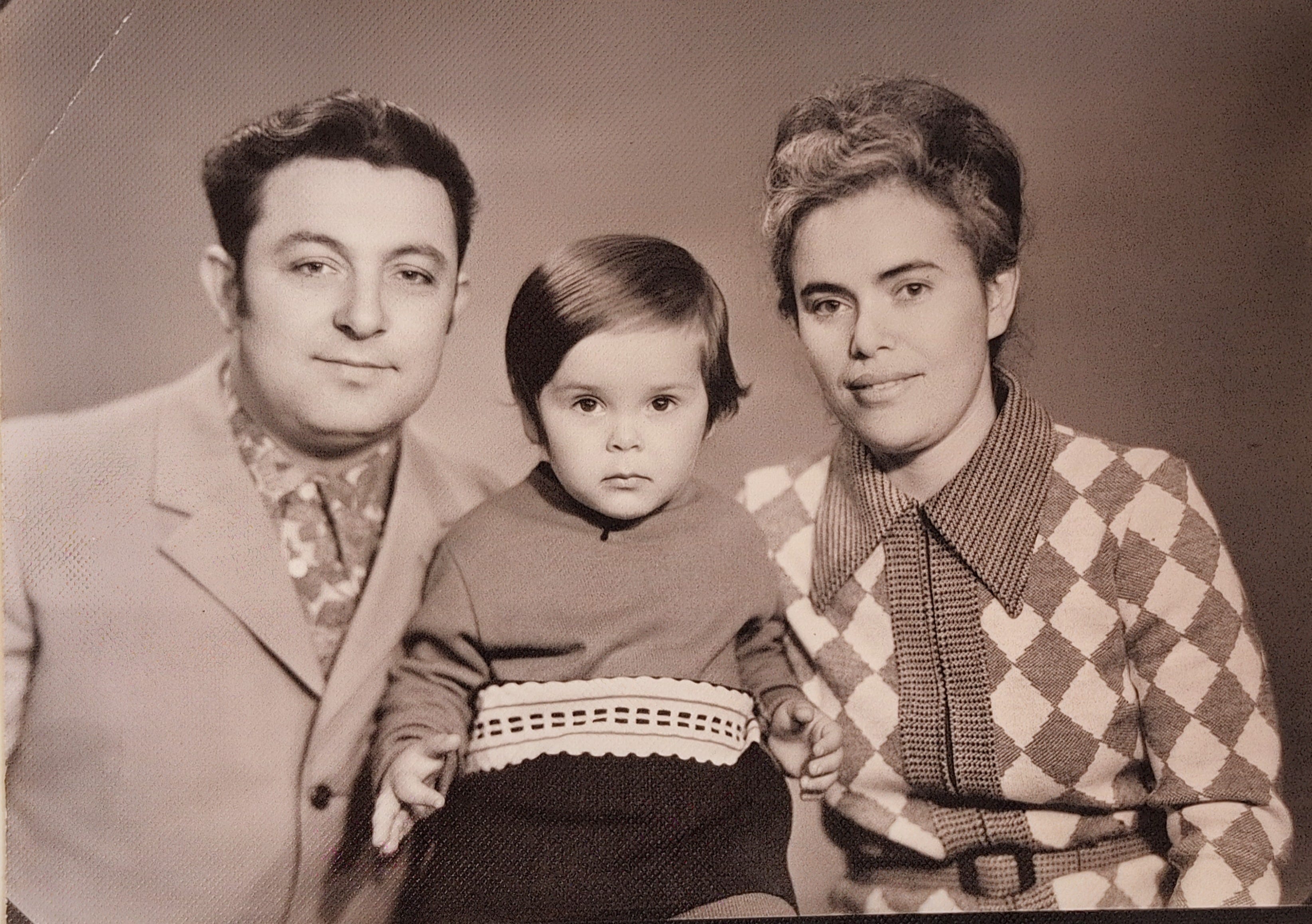
I have two children now and I am grateful to my parents for the gift I spent so many years resenting.
The medical profession recently retired the term “geriatric pregnancy” because it sounded too harsh. They replaced it with “advanced maternal age,” which begins, officially, at 35. The biology is the same as it was. Fertility declines with age. Risks rise. Windows close. A generation of young women has been encouraged to treat all of this as a rumor, and it is not a rumor.
The language softened. The biology did not.
A woman’s working life is long. Her childbearing years are short, and the years when a small child needs a present, trusted, loving mother above all else are shorter still. Fathers and grandparents and loving caregivers carry enormous weight in a child’s life, and I am not pretending otherwise. But the call between a mother and her young child is a finite and beautiful season, and women are built for it the same way our children are built to reach for us.
I think it’s incumbent on parents to reinforce these things to their children, rather than being respectfully quiet, as some parents are, to avoid being, what they fear will be construed by their children as, overbearing.
In other words, tell your kids the things you think are obvious, because they are not.
I believe authoritative parenting is the best kind of parenting. Authoritative parents tell their children what a good life looks like, in their best estimation, and they trust their children to take it in. The pretense of having no opinions, in order to seem modern, is its own kind of failure.
The pretense of having no opinions, in order to seem modern, is its own kind of failure.
I want to be careful here.
Many women cannot have children. Some do not want to. There are real losses, real circumstances, real callings that lead elsewhere, and there should be no judgment of any of it. Mothering takes many shapes, and the women who show up for other people’s children are doing some of the most important work there is.
The point is that the possibility of family should be presented to our children as a beautiful thing, and a serious one. And this message should be gently, regularly, lovingly reinforced.
Because becoming a parent is one of the great privileges of being alive.
To bring a child into the world, or to nurture one who is already here, is how a civilization continues. So talk to your children. Tell them what you hope for them. Tell them you would like to be a grandparent one day, if they can give you that gift. Tell them the windows are real and the love is real too. Tell them you want this for them. Don’t assume it’s obvious to them. You have to tell them and tell them again.
My parents gave me that picture. I fought them for it.
I am thanking them for it now.
If posts like this one matter to you, please consider becoming a paid subscriber to Restore Childhood.
We are a 501(c)(3) nonprofit, and we work hard to keep most of our content free. Paid subscribers make it possible for us to keep doing this work. If you’ve found this useful, please consider becoming a paid subscriber and sharing our work.
One of the beautiful parts of becoming a parent is that one day you might become grandparent!
Until quite recently I did not want to get older than 99 years. Nowadays my 'goal' is meeting all children of my (five) grandchildren. The youngest grandson is 7 years old now, so maybe I have to pass that 99 limit.
The fact that there was no grandparent in my own life somehow makes being a grandfather even more special.
Thank you for this. I tell my students that being a mother is the most important part of my life. I deeply regret waiting so long (I had complications) and I wish I had more kids. I tell everyone I know that having kids is the best thing in the world. We have mislead a couple of generations now and it's tragic. Most of the young teachers at my school are "childless by choice". They play video games and go to orotests. They seem angry, miserable, confused. They change their pronouns and their political obsessions with the wind. They are unmoored. I'm glad there is a counter narrative. We need to keep talking about it.