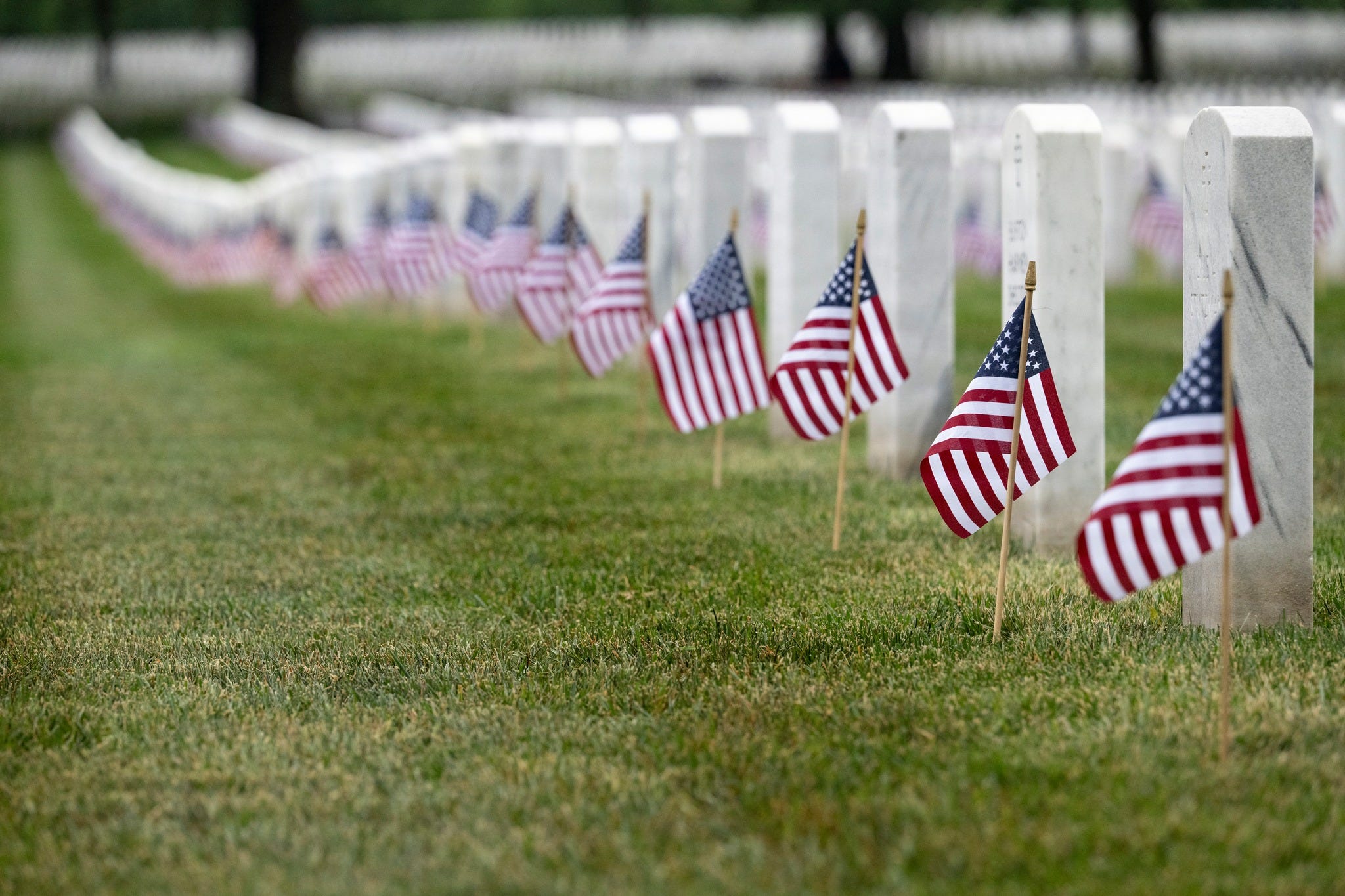
Ask a sixteen-year-old what Memorial Day is and you will probably hear that it is a Monday off, the start of summer, a sale on mattresses.
That is not the sixteen-year-old’s fault, because it is how the day is being taught to them.
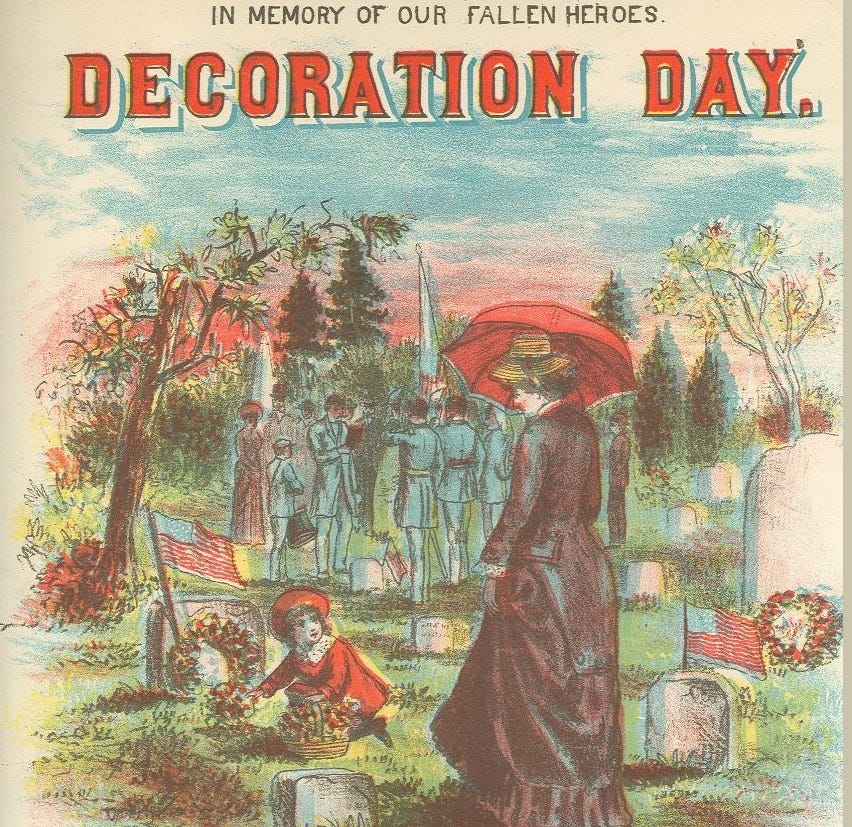
Somewhere between 1868 and now, a day built to mourn the dead turned into a day built to leave town. Here is the part almost no one learns in school anymore.
The day had a name, and a job
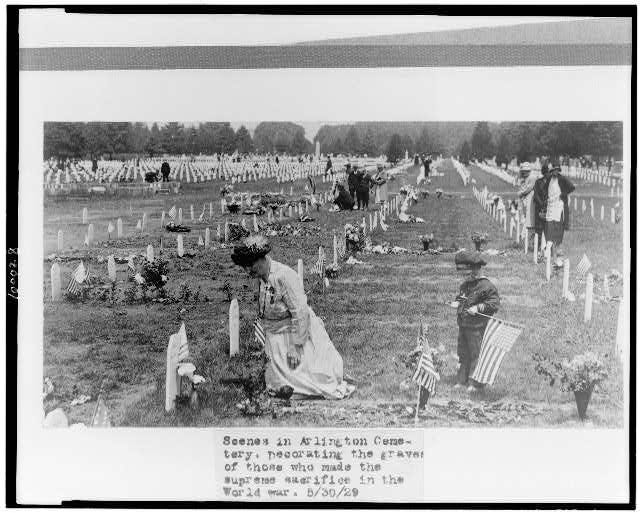
What we now call Memorial Day started as Decoration Day. After the Civil War the country was burying more dead than it ever had, and people went looking for a way to honor them. In 1868 General John A. Logan, who led the largest organization of Union veterans, set aside May 30 to decorate the graves of the fallen with flowers, and he picked that date on purpose, because no battle had been fought on it and no side could claim it as a victory. It was a day for grief and remembering.
The job of the day was plain. You went to a cemetery, you found the graves of people who died so you would not have to, you cleaned them, you laid flowers, and you said their names out loud. The whole point was a debt. You owed something to specific people, and this was the day you paid it.
What changed in 1971
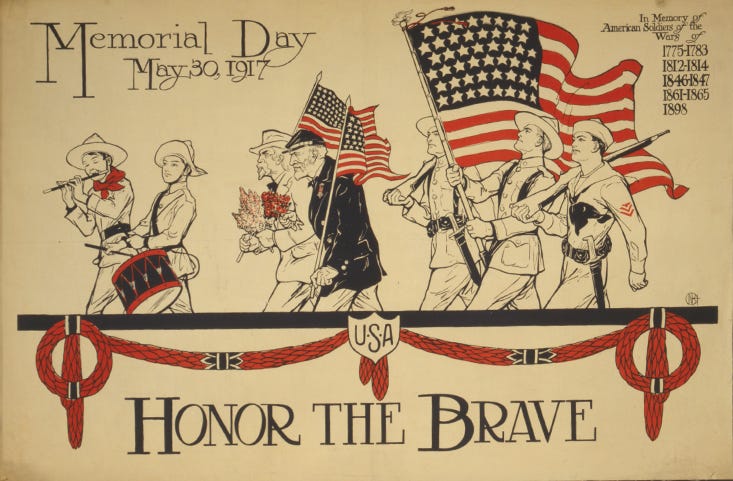
For more than a century the day stayed put on May 30. Then in 1968 Congress passed the Uniform Monday Holiday Act, which took effect in 1971 and pinned Memorial Day to the last Monday in May. The reason had nothing to do with reverence and everything to do with giving people a three-day weekend for travel and shopping. The Veterans of Foreign Wars said the change “undermined the very meaning of the day,” and they were right, but the day stayed a floating Monday anyway.
What kids are taught now
The date is the smaller change. The bigger one is the frame built around the whole subject of American history, the frame that decides which days a child learns to honor and which ones a child learns to question.
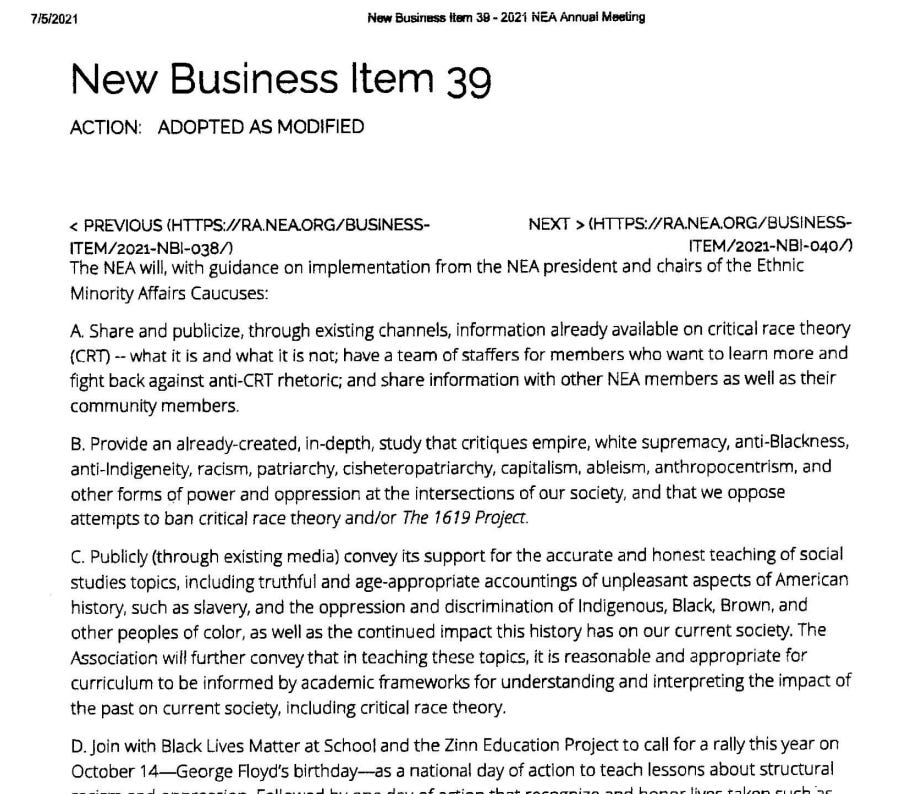
In 2021 the largest teachers union in the country adopted a resolution you can still read in its own words. The National Education Association, which took in more than $400 million that year, used New Business Item 39 to commit itself to promote critical race theory in schools and to “oppose attempts to ban critical race theory and/or The 1619 Project.” The resolution called for handing teachers a study built around critiquing the country as a structure of oppression, and it committed the union to partner with the Zinn Education Project to push the work into classrooms.
The NEA later pulled the item from its own website.
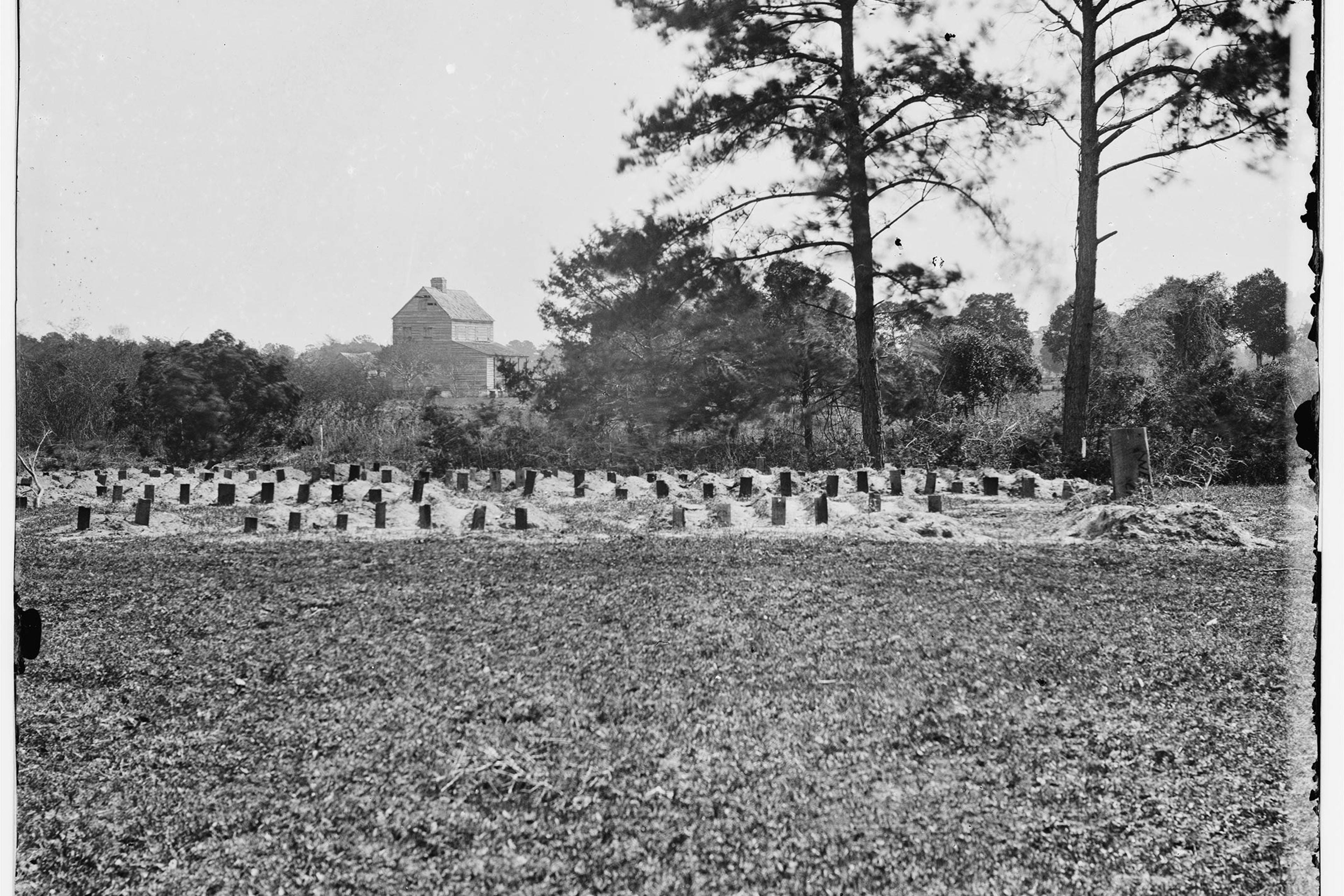
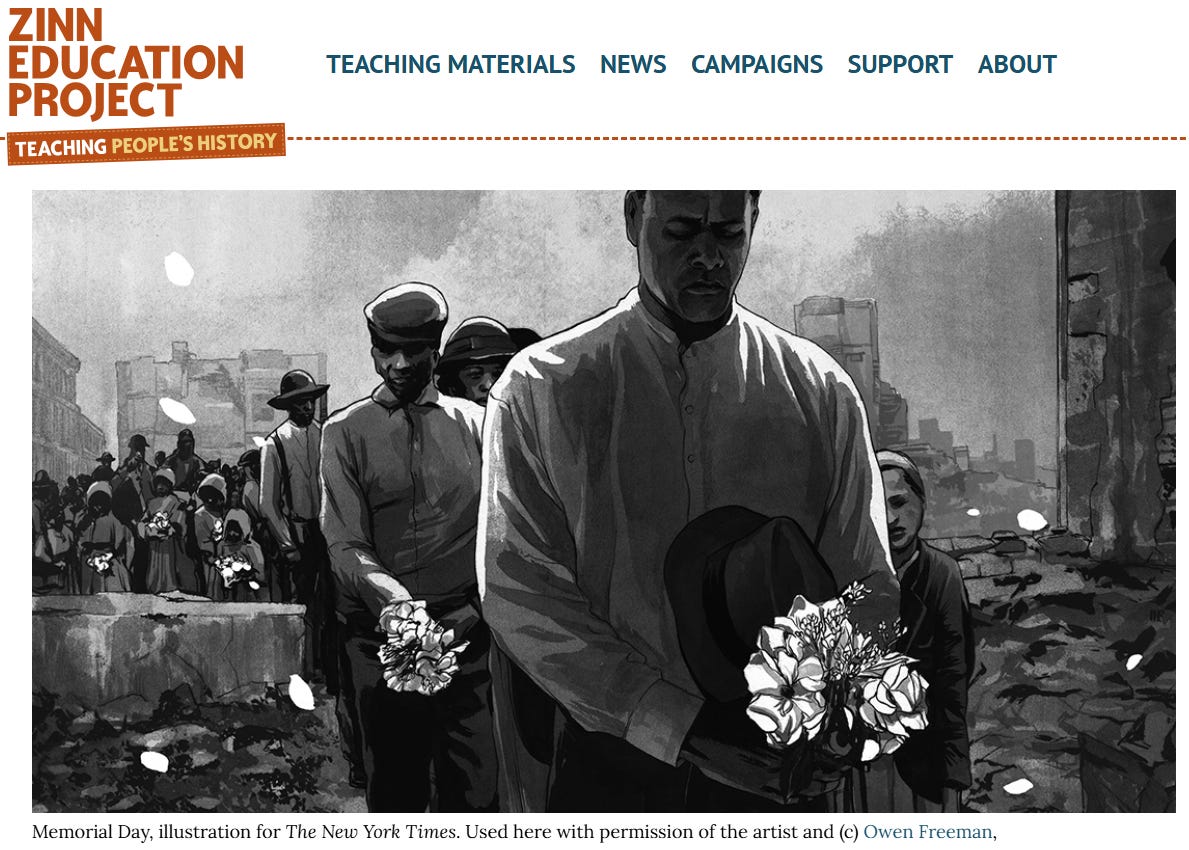
The Zinn Education Project publishes a Memorial Day resource called “The First Decoration Day,” and it tells a true and astonishing story. On May 1, 1865, freed slaves in Charleston reburied 257 Union prisoners who had died in a Confederate camp, marked the graves “Martyrs of the Race Course,” and held a parade of 10,000 people led by three thousand black schoolchildren carrying flowers.
That history is real. It was buried for a century, and it belongs in every classroom in the country.
The same project hosts an essay by Howard Zinn titled “Whom Will We Honor Memorial Day?” The title is the whole argument. The lesson teaches a child to read the Charleston story as an indictment, one more entry on the list of everything wrong with America.
But look at what actually happened.
People who had been owned, who had every reason to walk away bitter, spent their first days of freedom digging proper graves for the men who died to free them.
That is not the story of a wicked country.
That is the story of a country so worth believing in that the people who had suffered most under it still claimed it, honored its dead, and called themselves its truest patriots. The schools took the most American act imaginable and teach it as a reason for shame.
The cost shows up in the numbers
On the 2022 Nation’s Report Card, eighth-grade U.S. history scores hit the lowest level ever recorded since the test began in 1994. Forty percent of eighth graders scored below “basic.” Only 13 percent reached “proficient,” the worst result of any subject tested, and civics fell for the first time in the history of the exam.
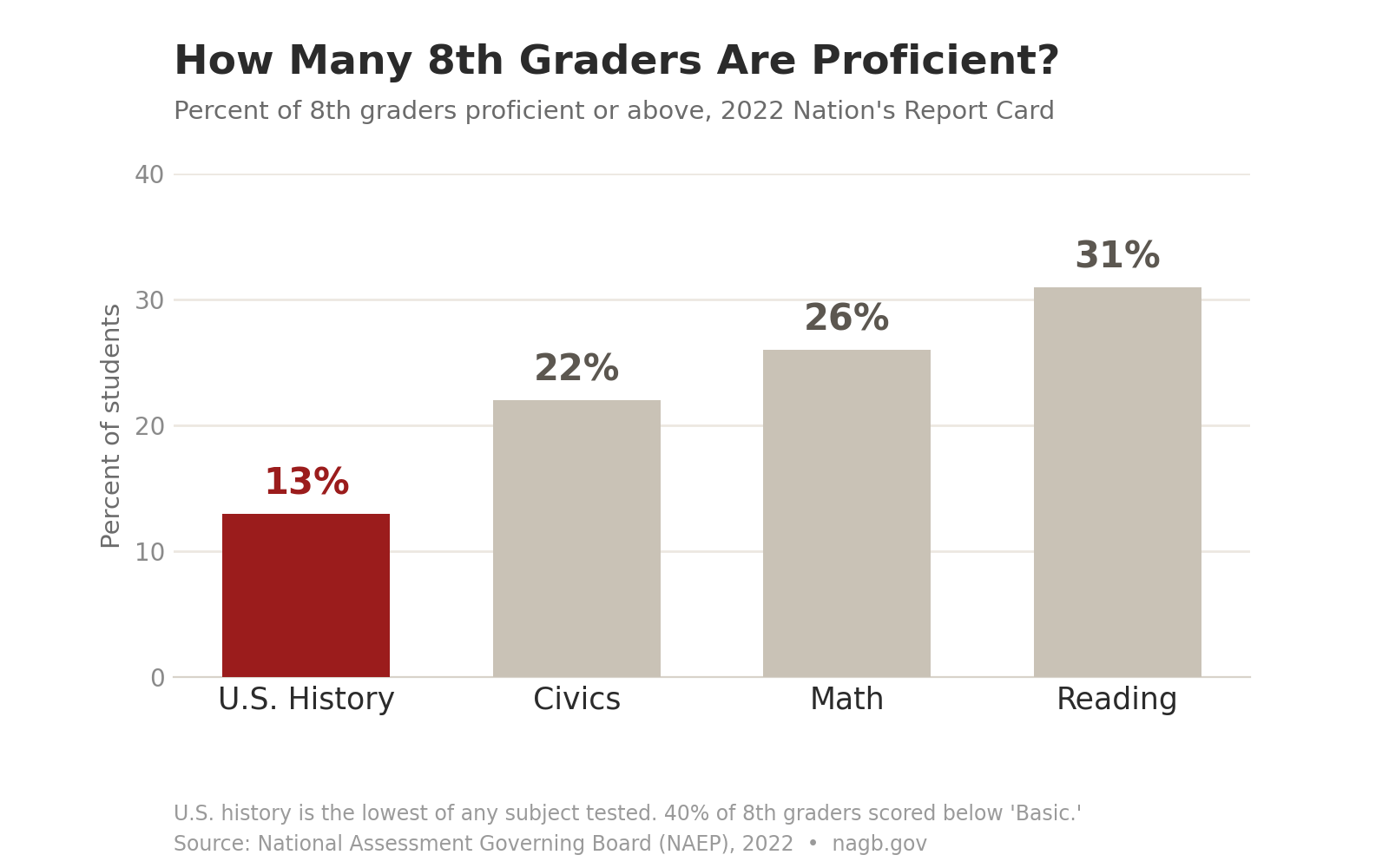
So the average fourteen-year-old cannot reliably read a basic historical document or explain how their own government works. A day of remembrance only works if someone first gave you something to remember, and once you stop teaching the history, Memorial Day thins out until it feels like nothing but a long weekend.
The oldest surviving peoples on earth figured this out a long time ago, and their instruction was simple.
Tell your children. Tell them what happened, who paid for it, and what they owe because of it. The peoples who keep telling their stories are the ones who are still here.
So tell it, because gratitude and memory are not abstractions, and they pass the only way they have ever passed, from an adult who looks a child in the eye and tells a true story about someone who is gone.
We have seen this before
You have seen this move before. It is the same one I traced when Random House let the Landmark Books go out of print, and the same one I wrote about in “The Slow Disappearance of American Education.” Nobody banned those books. Schools just stopped assigning them, publishers stopped printing them, and one day they were gone.
The dismantling almost never arrives by proclamation.
It arrives by omission, by what quietly stops getting taught until it is simply not there anymore.

Read this part out loud to your kids on Memorial Day
In the spring of 1865 the Civil War ended, and the men and women who had been slaves were free for the first time in their lives. In Charleston there was a racetrack the Confederate army had turned into a prison camp, and more than two hundred Union soldiers had died there, men who had fought to set those very people free, and they had been thrown into a pit in the ground with no names and no graves.
So the freed slaves did the first thing free people do, which was to go and get them. For two weeks they dug, and they built each soldier a real grave, and they raised a white fence around the whole yard, and over the gate they painted the words “Martyrs of the Race Course.” Then, on May 1st, ten thousand people came. Black children walked at the front, three thousand of them, singing as they marched with their arms full of roses, and they covered the graves of the men who had died for them until you could not see the ground.
They had nothing. They had just come out of bondage with empty hands, and the first thing they chose to do with their freedom was say thank you to the dead.
That is gratitude, and that is memory, and it is the whole holiday in a single act.
A freed child in 1865 understood it better than most grown adults do today.
Let’s do what they did, in the small way we can.
Find the nearest veterans’ cemetery or war memorial and take our children to stand at one grave.
At 3:00 in the afternoon the United States pauses for a National Moment of Remembrance, one minute of silence- do this with your kids. One minute will stay with a child longer than any worksheet, because you will have shown them what the day means instead of just explaining it.

A country is not its soil or its borders. It lives in what its people remember, and it ends when they forget. Raise children who know none of this, who feel they owe nothing and have nothing to be proud of, and one day the only memorial left to hold will be for the republic itself, with no one who remembers why to hold it.
Teach your kids the history, to be proud of what was built here and grateful to the people who built it. That is the whole job of a parent, in the end, to hand the country on to the next person before you go.
Restore Childhood is a 501(c)(3) nonprofit dedicated to protecting children’s education, health, and parental rights. If this was useful, please share it and support our work consider upgrading to a paid subscription.