


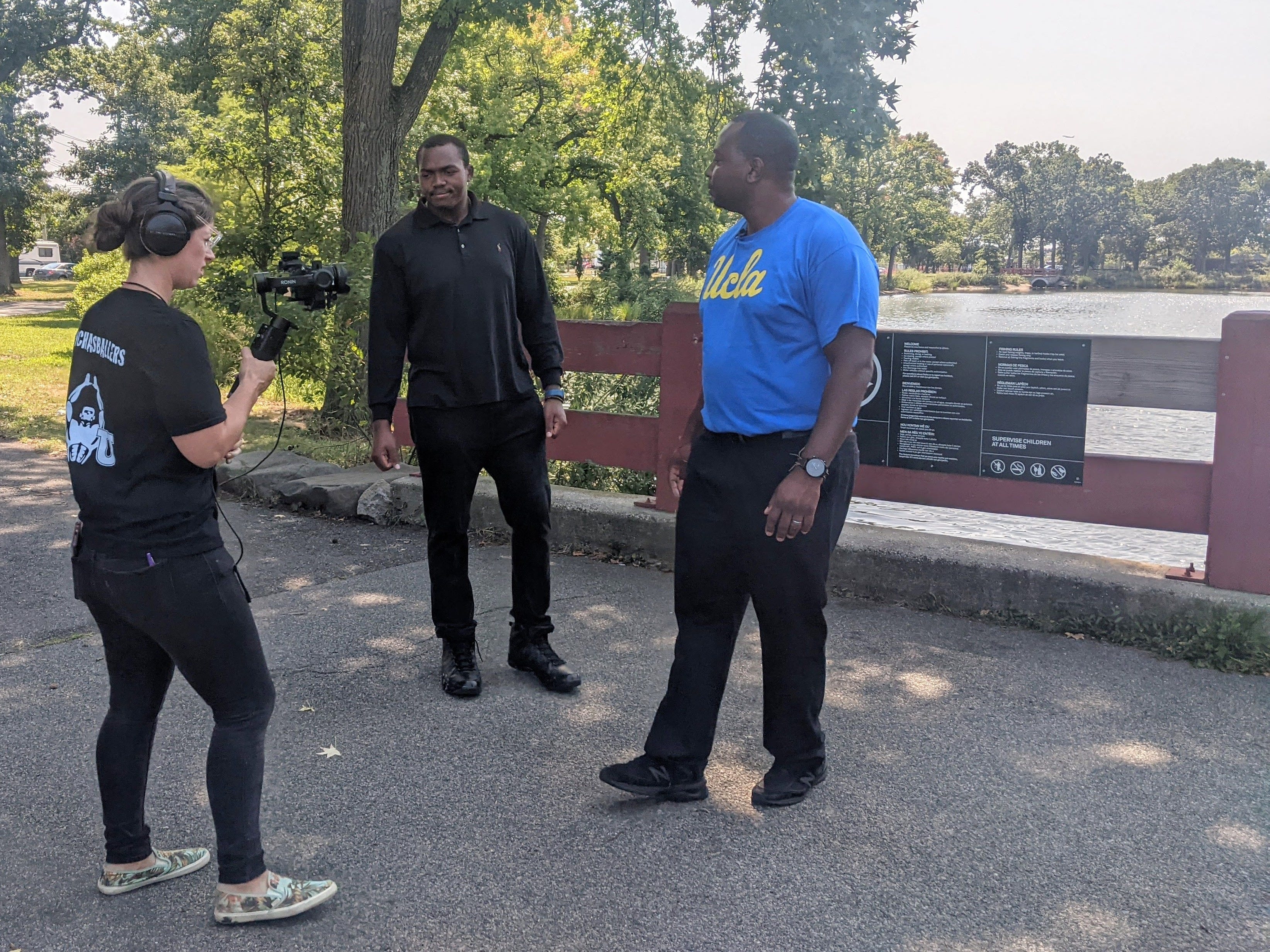
Meet the Pinckneys- Michael Sr. and Michael Jr., featured prominently in our film 15 DAYS- I encourage everyone to watch the full documentary while it’s currently available on X. Their story represents the real people behind the destructive policies.
During the pandemic, when sports facilities shuttered and opportunities vanished, Michael Pinckney Sr. made a decision: his son’s future would not be sacrificed to bureaucratic indifference.
Mike Sr. had always believed in the power of high school sports. His older son chose football, following in his father’s footsteps, while his younger son, Mike Jr., chose track and field. “I wanted him to experience the discipline; I wanted him to experience focus, responsibility. It was all of these things that I saw as necessary for his development,” Mike Sr. said, noting that he saw it as a “gateway to open up doors for educational opportunities.”
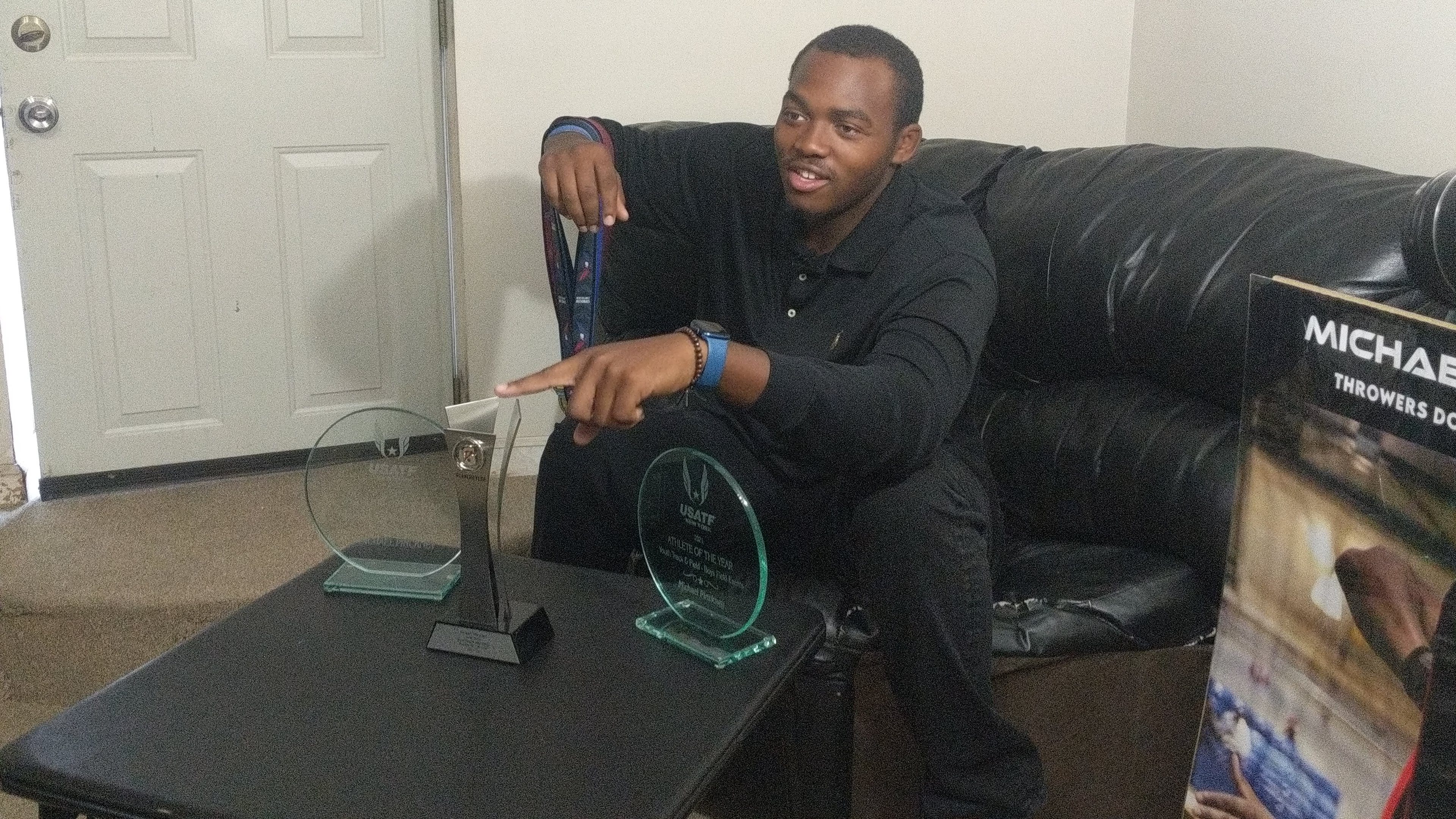
In New York City, where dedicated throwing facilities don’t exist, Mike Jr.’s commitment bordered on extraordinary. He would wake in the dead of night to use makeshift facilities like the baseball diamond on the other side of the lake just to get in practice throws.
When the Pandemic Hit, the Barriers Got Higher
Then came COVID-19, and with it, closures and cancellations. But Mike Sr. refused to let his son give up on training. “We made the best out of the situation. And the reward is, you know, college for free.”
What made the situation particularly galling was the inequality baked into the system. While private facilities like the Armory remained open to athletes from neighboring areas, public school athletes in NYC were excluded from competing and practicing because of bureaucratic red tape and the city’s sports organizations’ lack of support.
“The Armory is a public entity, a not-for-profit foundation. Ocean Breeze is a New York City Parks Department facility run by and owned and operated by the city of New York. And they themselves opened up the facility but excluded the taxpayers, paying for the facility to be run,” Mike Sr. said. “Not only was it unfair as a taxpayer – it’s just egregious: how do you take my taxes, fund the facility and then exclude my child from being able to participate at that facility?”
Mike Sr. had to pay out-of-pocket for his son to participate in track and field meets, including entry fees, travel expenses and accommodations.
The Cost of Failed Policies
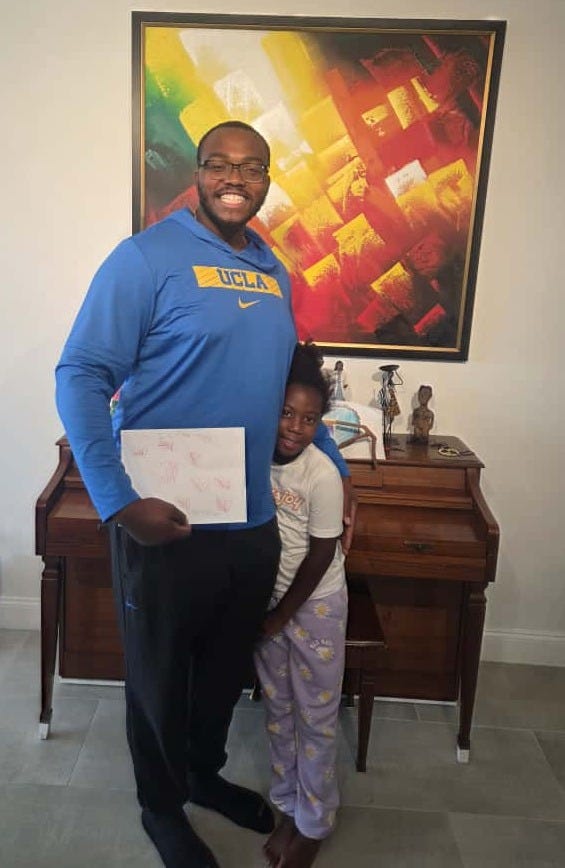
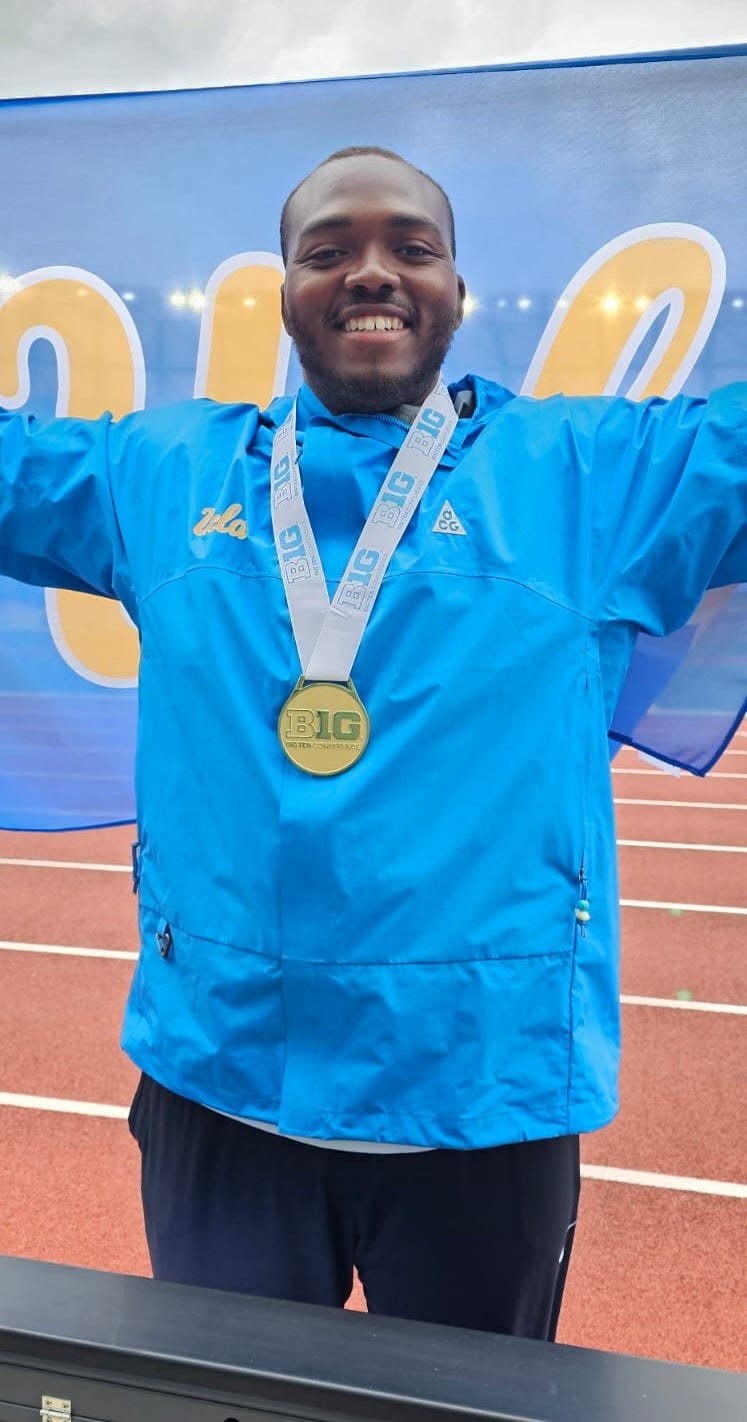
Despite the pandemic challenges, Mike Jr. persevered and achieved stunning success, garnering multiple accolades and awards for his achievements in track and field and a scholarship to college. He’s now in his final year and applying to graduate school—specifically, a double master’s in Urban and Regional Planning and MBA at UCLA.
But not everyone was so fortunate. Mike Sr. witnessed the devastating toll the pandemic policies took on young athletes in his community—the violence and loss that came from removing the structure and purpose sports provided.
“We’ve had friends that have been robbed. We’ve had friends that have been shot. We’ve had friends that have been killed. We’ve had friends that have died from drug overdose. All of those people that I’ve mentioned to you were all athletes. What is that saying about how we value our youth? It’s got to be a community effort, and it’s got to be a city, it’s got to be a state effort, it’s got to be a federal effort to get these kids off the street.”
A Son’s Gratitude
Mike Jr. appreciates everything his dad did for him. “My dad has done everything for me. I mean, I know that there wouldn’t have been a place for me without his help…”
The Pinckney family’s story is one of many we feature in 15 DAYS. These are the voices that need to be heard—not just statistics or policy debates, but real families who navigated impossible choices. Watch the full film to hear more stories like theirs, and understand what was really at stake during those critical 15 days and the years that followed.