


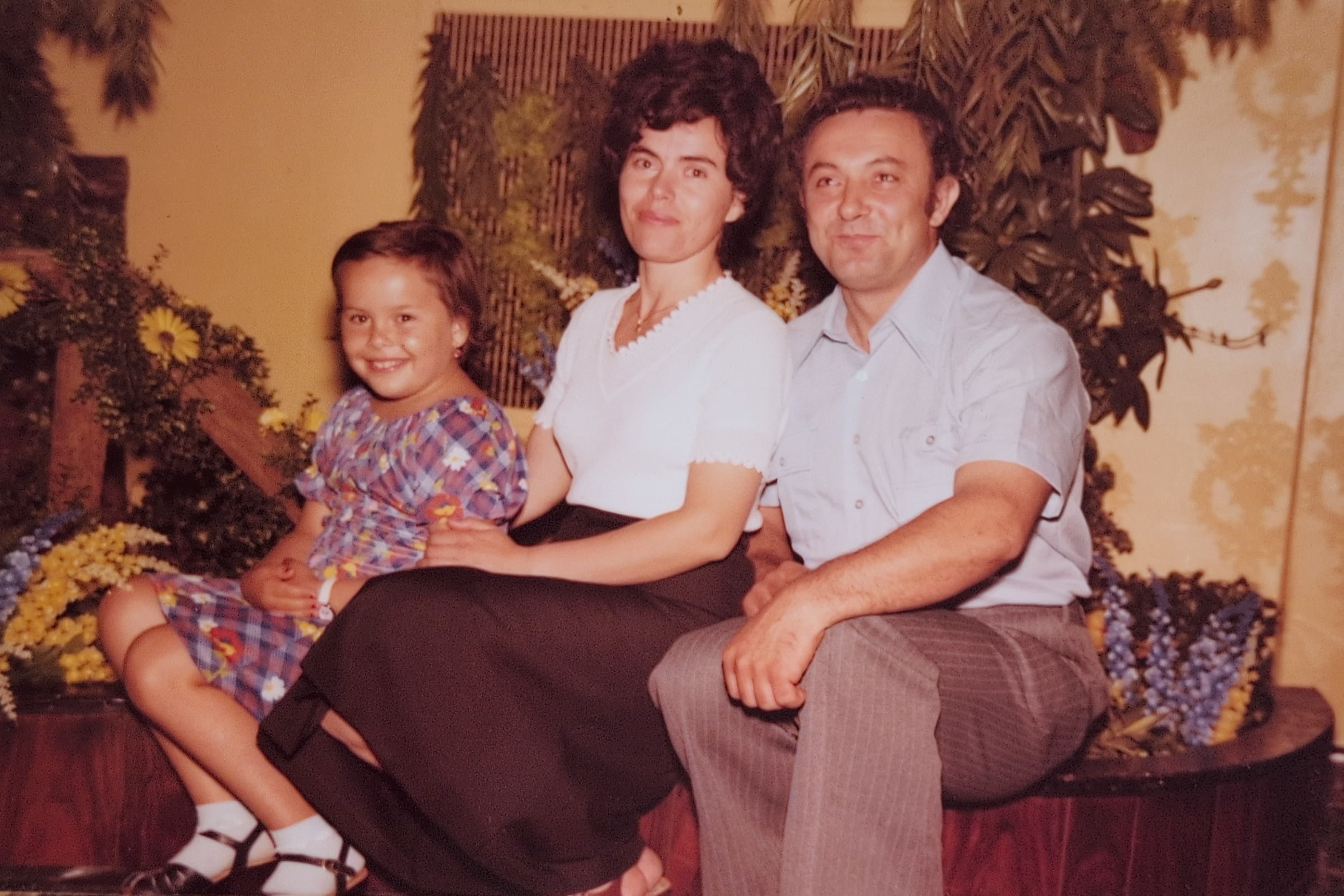
As I put the finishing touches on 15 Days, my documentary about the devastating school closures during COVID, I find myself reflecting on the philosophy that has driven this work from the beginning:
NEVER AGAIN.
The phrase, born from the ashes of the Holocaust, isn't just a slogan to me—it's been woven into the fabric of my existence since I was six years old, when my family fled the Soviet Union for America. Now, as I watch antisemitism and anti-Americanism surge across the West with a ferocity I haven't seen in my lifetime, that childhood lesson feels more urgent than ever.
The Journey from Odessa to America
My mother, father and I arrived in New York City on December 27, 1977. We were part of a limited program negotiated between Jimmy Carter and Leonid Brezhnev that allowed some Soviet Jews to emigrate. Some families chose Israel, others Australia, but we came to America. My paternal grandmother, aunt and her family had emigrated to Jerusalem just a couple of years before us.
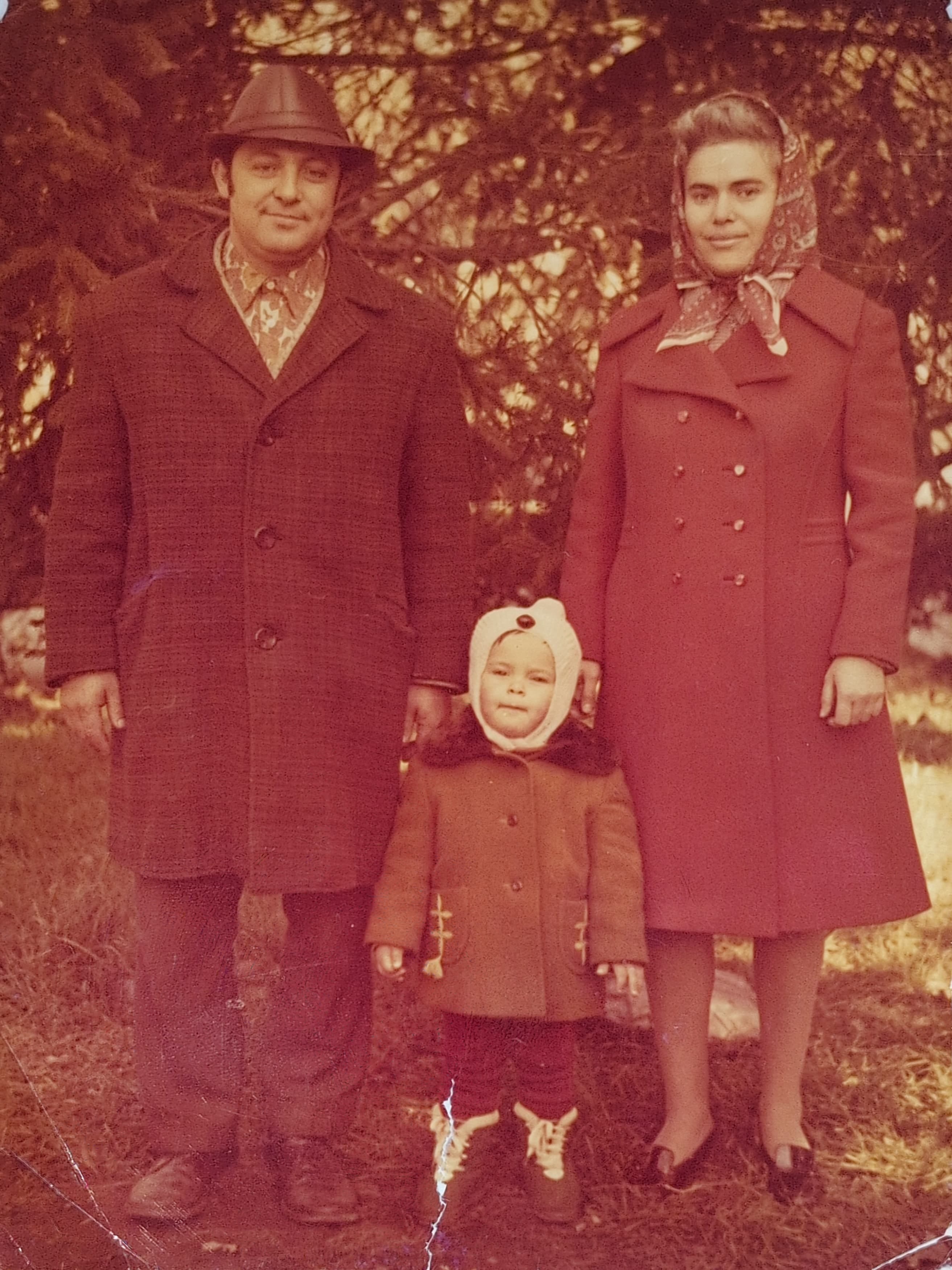
Our family didn't just leave because of the chronic shortages, surveillance, and authoritarian control that defined Soviet life—we left because our parents knew my cousins and I had no future in the USSR as Jews. In the Soviet Union, being Jewish meant being marked as "other" from birth. It meant facing systematic discrimination that would block our paths to higher education—universities had unofficial quotas limiting Jewish admissions—and follow us through every aspect of life, from career opportunities to where we could live.
My parents understood that this immigration program might be our only shot at a free life, so they took it. They abandoned everything they had (not much) and started over in a new country, with a new language, for one reason: to give their daughter a chance.
I've spoken with other Soviet Jewish refugees, like my friend Sasha, whose affluent family left behind their comfortable life because their safety was being threatened simply for being Jewish. The lesson was clear: when your existence is threatened, you pack up and leave, because survival and the preservation of your family's future matters more than material possessions.
Documenting the Undocumentable
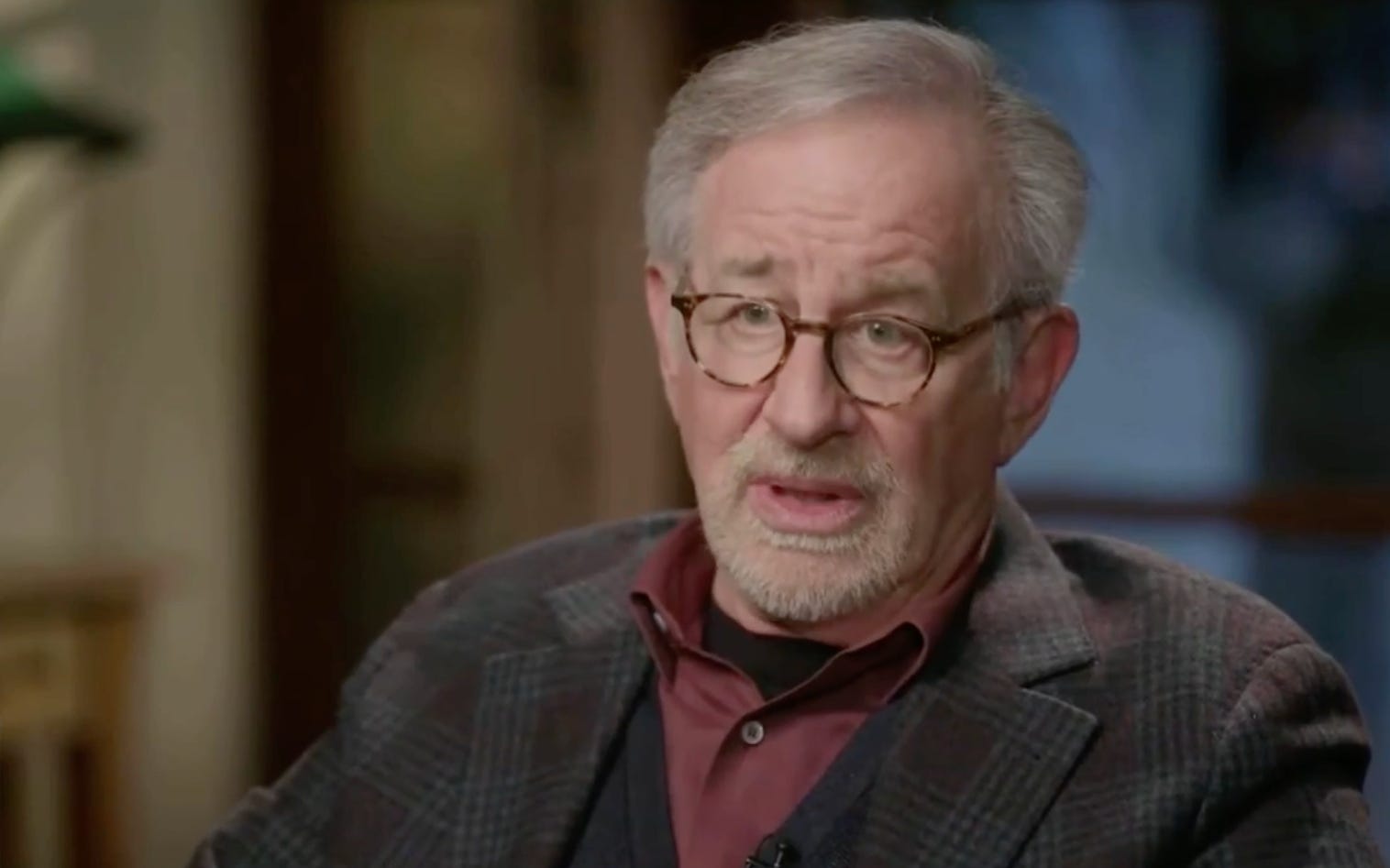
My immigration journey shaped how I approached America’s prolonged school closures. Throughout 2020, as schools remained shuttered and children's lives were upended, I was driven by the same "Never Again" philosophy that saved my family. The inspiration for the film came directly from Steven Spielberg's Shoah documentary project, which preserved testimonies from Holocaust survivors while they were still living. Just as Spielberg understood the urgent need to capture those voices before they were lost forever, I knew we had to document the stories of the survivors of school closures—the children and families who lived through this systematic marginalization—before the narrative could be sanitized and rewritten.
I knew that the politicians, bureaucrats, and union leaders who orchestrated these closures would eventually try to rewrite history, to cover their tracks and pretend their actions hadn't devastated a generation of children.
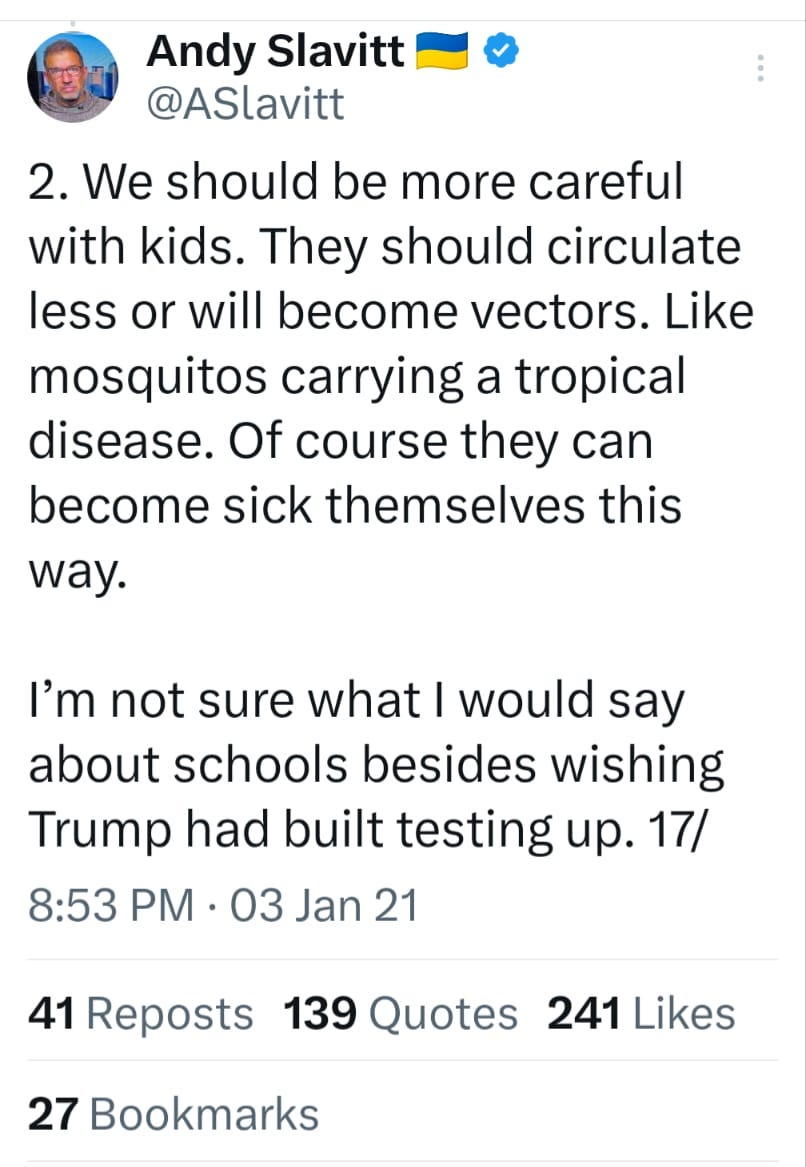
The parallels were impossible to ignore. Just as Soviet authorities erased inconvenient truths, I watched American institutions attempt to memory-hole their own failures. When officials like Andy Slavitt referred to children as "vectors" and compared them to disease-carrying mosquitoes, I heard echoes of the dehumanizing language that has preceded persecution throughout history.
The Same Playbook, Different Targets
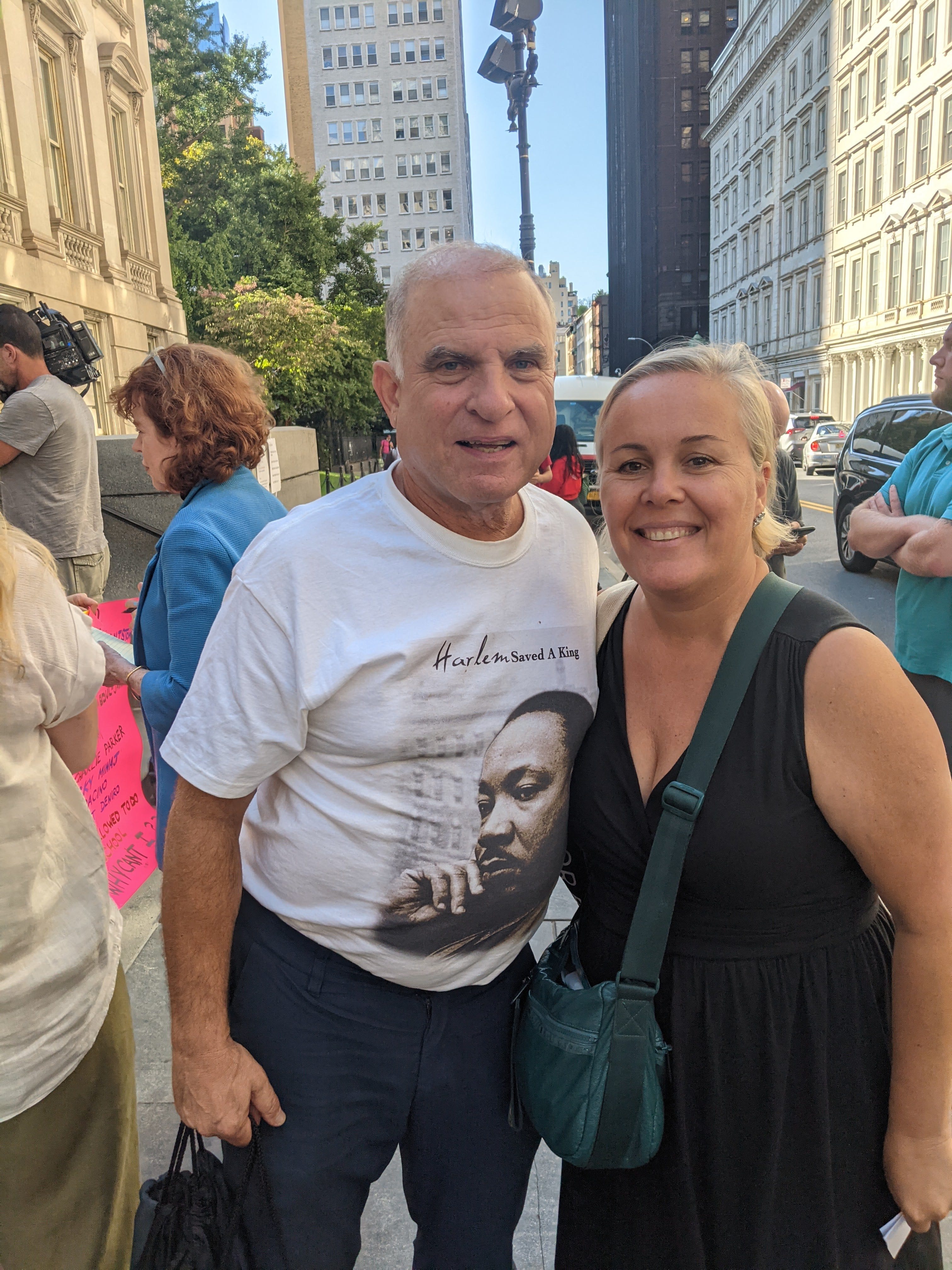
Now, as I prepare to release 15 Days, I'm witnessing the same mechanisms of marginalization being deployed against Jews across America and the West. The same institutional forces that normalized the isolation of children are now normalizing the isolation of Jews. Public displays of Jewish identity—a yarmulke, a Star of David, an Israeli passport—increasingly provoke hostility and even violence— in spaces that supposedly welcome diversity.
But there's a crucial difference: Jews are not children. We have the indomitable will to not just survive, but thrive. We have the knowledge of our history. We've faced this before, and we know how to persist.
The Weight of Memory
As I sort through those early photographs from my first years in America, I'm reminded of what singer Regina Spektor said in the video above to a heckler at her performance in Portland, Oregon: If it wasn't for the marginalization of Jews, she wouldn't even know English.
The same is true for me. Antisemitism drove my family to America, where I learned English, where I became a filmmaker, where I gained the tools to tell stories that matter.
15 Days is more than a documentary about school closures—it's a testament to the power of preservation, of refusing to let important stories disappear down the memory hole.
It's my "Never Again" in action.
What Comes Next
Americans must not live in fear. We must not accept harassment or marginalization of any member in our society. We must do this not just for ourselves, but for future generations who deserve the same freedoms that brought my family to America.
Life has been good here in the West, which is precisely why we must do everything in our power to preserve Western values—all of them. The freedom to practice your religion, to speak your mind, to document the truth, to hold institutions accountable.
15 Days will be released very soon (I promise, I know it’s hard to wait). You'll see more of these childhood photographs then, along with the story of how the fight to reopen schools connects to the larger struggle for truth and freedom that defines our time.
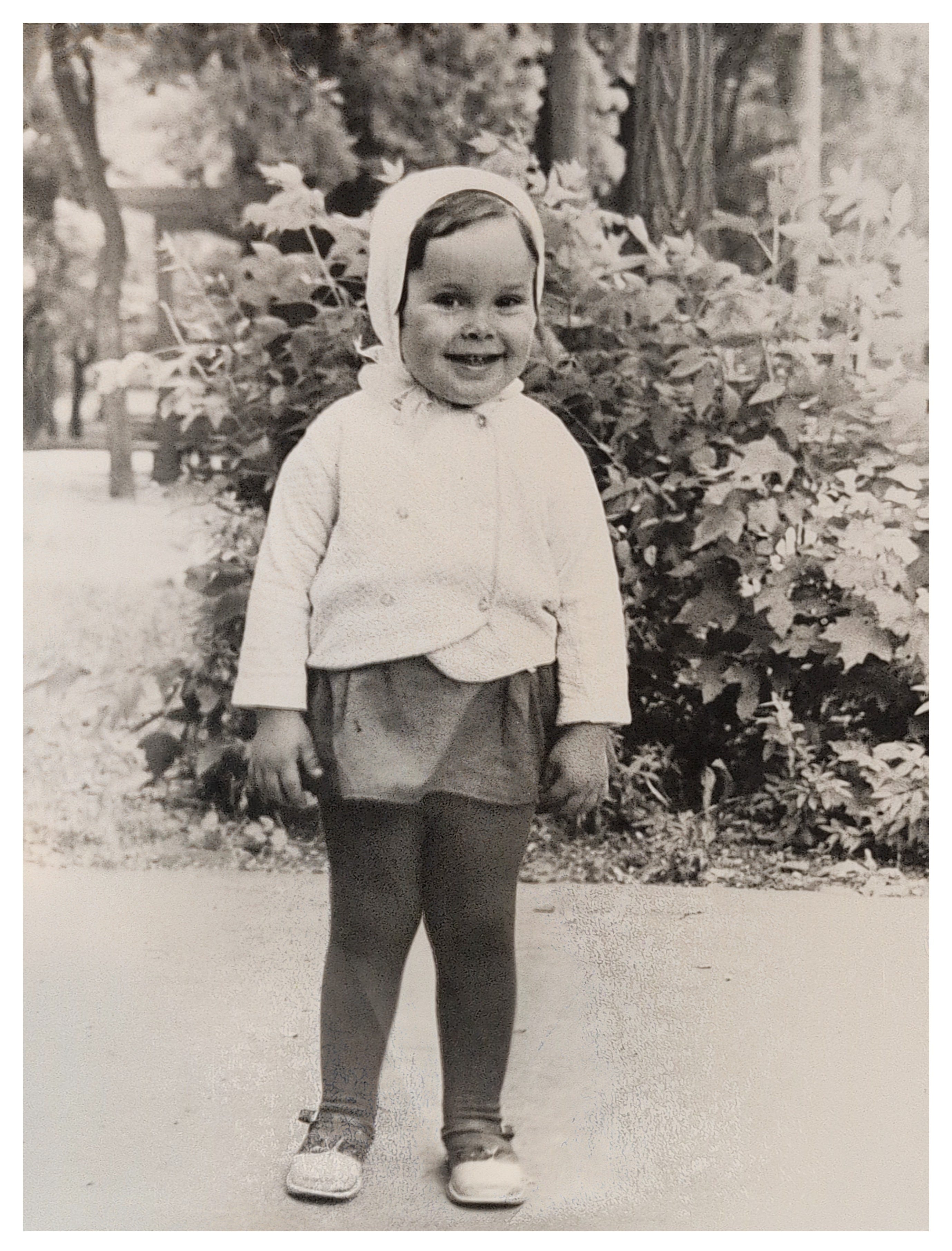
Because in the end, that little girl from Odessa didn't come to America to stay silent.
15 Days premieres soon. Learn more at 15daysfilm.com.
Bravo to a brave and indomitable woman!!
Bravo, Natalya! Thank you for sharing your story and your voice! Love the photos too!