


This week brought news that would have seemed impossible just a few years ago—and it’s got me feeling hopeful.
A Pandemic Warrior Joins FDA Leadership
Tracy Beth Høeg, MD, PhD was just named acting director of the FDA’s Center for Drug Evaluation and Research—the agency’s most powerful division overseeing prescription drugs. If that name sounds familiar, it’s because Tracy has been in the trenches with us. She co-authored the landmark 2022 paper questioning COVID vaccine boosters for young adults with FDA Commissioner Marty Makary. She opposed mask mandates for children.
She’s the physician-epidemiologist who actually looked at the data when others were following political winds.
Her appointment matters because CDER makes decisions affecting every child’s medicine cabinet. After five different directors in one year (yes, five), having someone who prioritizes transparent, rigorous science over institutional inertia is exactly what our kids need.
The Biggest Private Investment in American Children—Ever
Michael and Susan Dell just pledged $6.25 billion to seed investment accounts for 25 million children under age 10. Read that number again. It’s more than double everything their foundation has given in 26 years combined.
Through the new “Trump Accounts” program launching July 4, 2026, these kids in zip codes with median incomes under $150,000 will each get $250 to invest in index funds until age 18. The federal government is providing $1,000 for babies born 2025-2028. This isn’t charity—it’s an investment in showing children their future is worth saving for.
“When children have accounts like this, they’re much more likely to graduate from high school, from college, buy a home, start a business and less likely to be incarcerated,” Michael Dell told reporters. The research backs him up.
The Learning Loss We Can’t Ignore
Meanwhile, new research continues documenting what we’ve been saying since 2020: the costs of pandemic school closures were catastrophic for children. A January 2025 study in Nature found that globally, math scores declined an average of 14% of a standard deviation—roughly equal to seven months of learning lost. Losses were even greater for disadvantaged students, boys, and immigrants.
The data is unequivocal: the longer schools stayed closed, the greater the learning loss. In the Netherlands—considered a “best case” with short closures, excellent broadband, and equitable funding—students made little or no progress while learning from home. Learning loss was most pronounced among children from disadvantaged homes.
As of spring 2024, the average American student in grades 3-8 remained nearly half a grade level behind 2019 achievement in math. And the gaps keep widening. Between 2022 and 2023, students recovered only about one-third of their original math losses, with significant disparities by race and income.
The World Bank estimates this generation could lose $21 trillion in lifetime earnings. That’s 16% of today’s global GDP.
These aren’t abstract statistics.
They’re the childhoods we fought to protect when schools remained closed long after the science showed they should open. This is why we made 15 DAYS: The Real Story of America’s Pandemic School Closures—to document what happened and why it mattered. It’s now available on digital download, DVD, and Blu-ray.
Holiday Reading That Matters
As we head into the holiday season, two books deserve your attention—especially if you have teens or college students in your life.
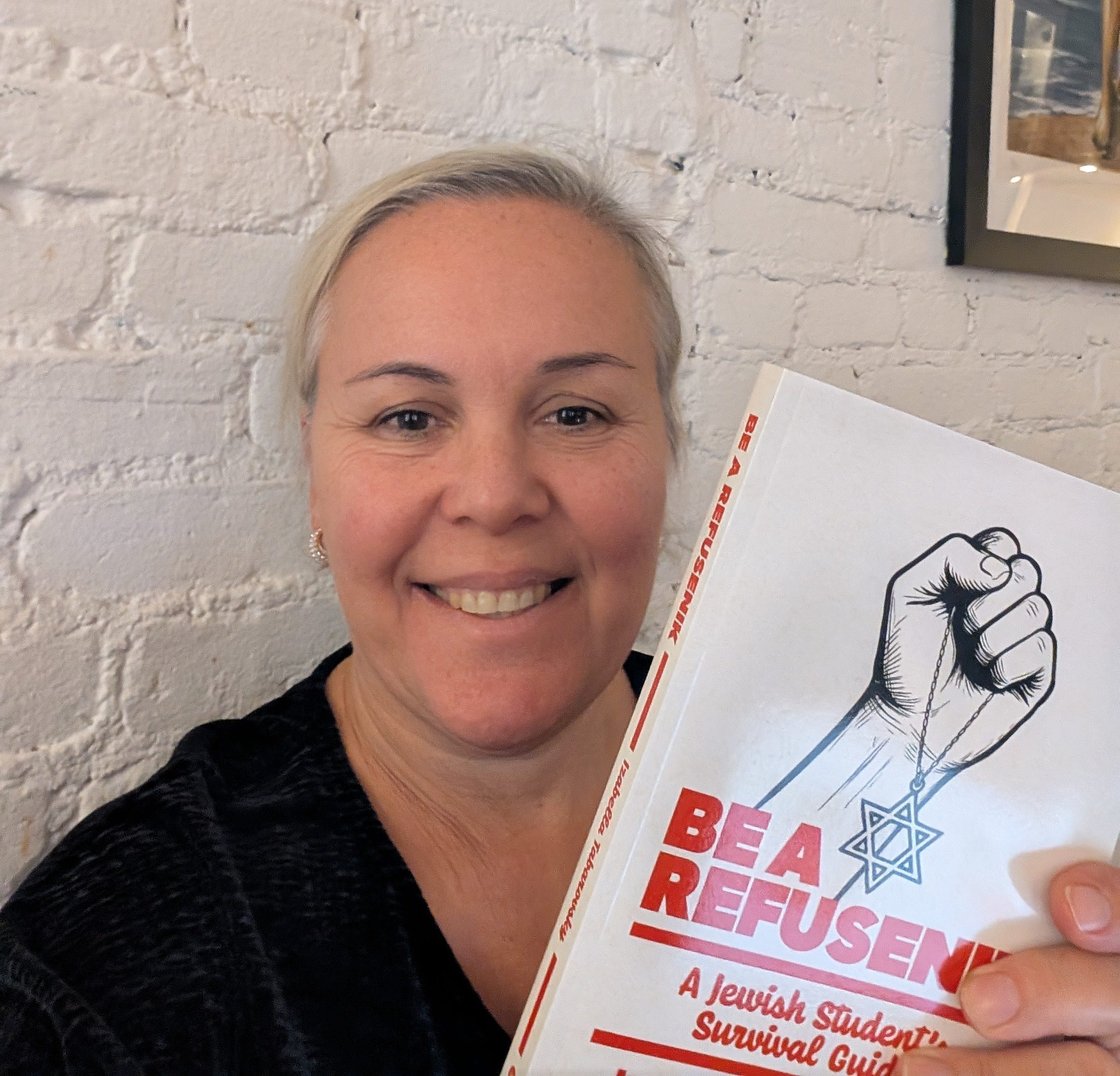
Izabella Tabarovsky’s Be a Refusenik: A Jewish Student’s Survival Guide draws powerful parallels between Soviet anti-Zionist propaganda and what’s happening on American campuses today. Having grown up in the USSR, Tabarovsky recognizes the patterns: the ideological pressure, the cultural erasure, the litmus tests. The young Soviet Jewish activists known as refuseniks refused to comply with authoritarian demands to disavow their identity. Their defiance changed history. This book is essential reading for understanding how to recognize propaganda and resist ideological coercion.
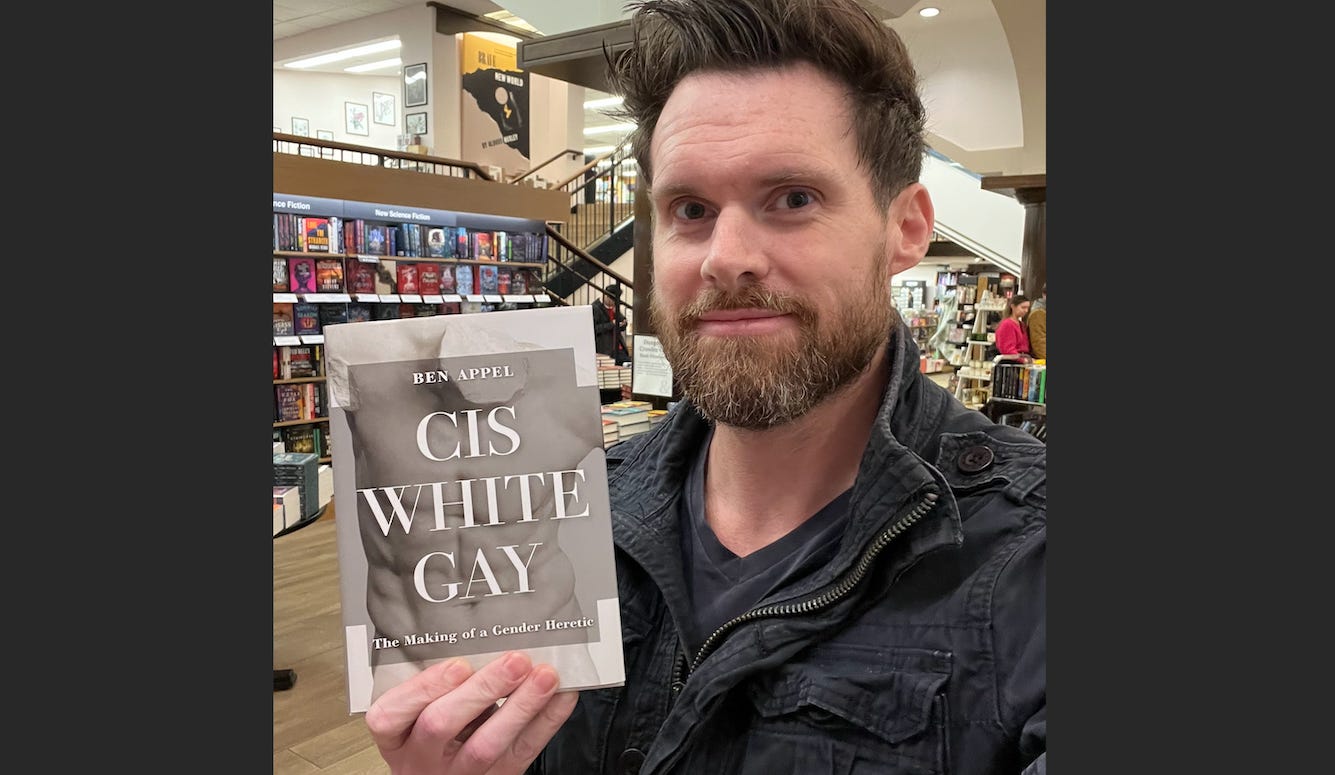
And Ben Appel’s Cis White Gay: The Making of a Gender Heretic offers another crucial perspective on recognizing authoritarian patterns. Appel grew up in a Christian fundamentalist cult, escaped to Columbia University, and found himself in another system demanding total ideological conformity. As psychologist Pamela Paresky writes in her review, “What Ben Appel came to recognize is that such mechanisms don’t require a religion, a charismatic leader, or a small an insular group. They require only an ideology that thinks it has all the answers and demands total loyalty.”
Both books teach young people how to think critically, spot manipulation, and maintain intellectual independence. That’s a gift that matters.
Follow Ben and Pamela for more of their essential work.
Have a wonderful weekend as we get closer to the holidays. And if you haven’t yet, you can now own your copy of 15 DAYS HERE.
Natalya